目录
- What Is Spout Pouch Material?
- How Each Material Layer Works
- Common Spout Pouch Material Structures
- Match the Structure to the Product
- Barrier Requirements and Product Protection
- Filling, Sealing, and Spout Compatibility
- Buyer Checklist for Material Approval
The right spout pouch material structure depends on the product, required barrier, filling conditions, seal performance, spout fitment, and intended distribution environment. This buyer guide explains common laminate constructions and the specifications B2B packaging buyers should confirm before approving samples or production.
What Is Spout Pouch Material?
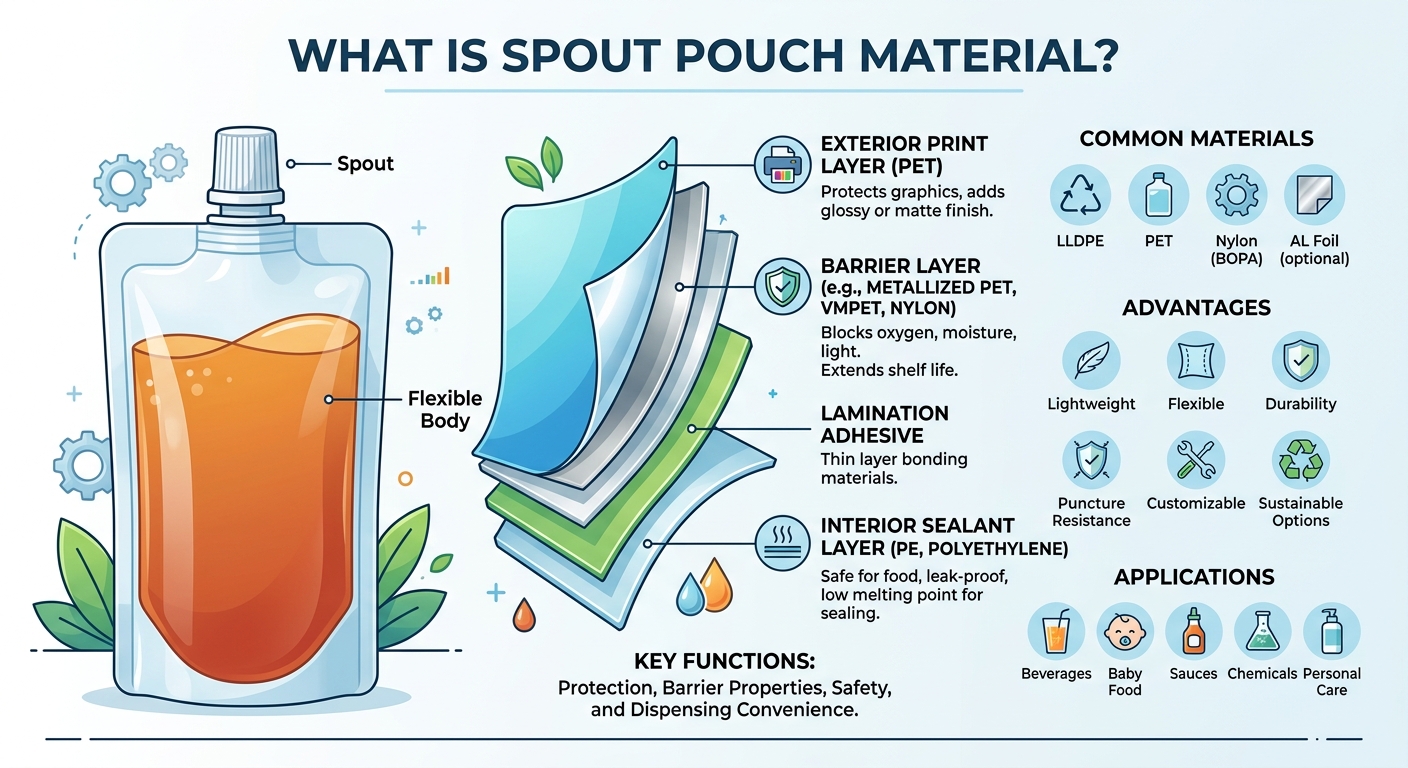
Spout pouch material is usually a multilayer flexible laminate selected to protect the product, create reliable seals, support the spout fitment, and run through the intended filling process. Unlike a single film, a laminate combines several layers with different functions. A typical structure may include an outer print web, a barrier or strength layer, and an inner heat-sealant layer.
The correct construction cannot be selected from pouch volume alone. Buyers should first define the product type, water or oil content, acidity, oxygen and light sensitivity, filling temperature, sterilization or pasteurization requirements, expected shelf life, distribution conditions, and desired appearance. The pouch format, spout position, fitment size, cap design, and filling equipment also influence the final specification.
For example, a dry powder, refrigerated sauce, liquid detergent, and fruit puree may all use a spout pouch, but they do not necessarily require the same laminate. A packaging supplier should review the complete application before recommending a structure and should validate the recommendation with samples and product-specific testing.
How Each Material Layer Works
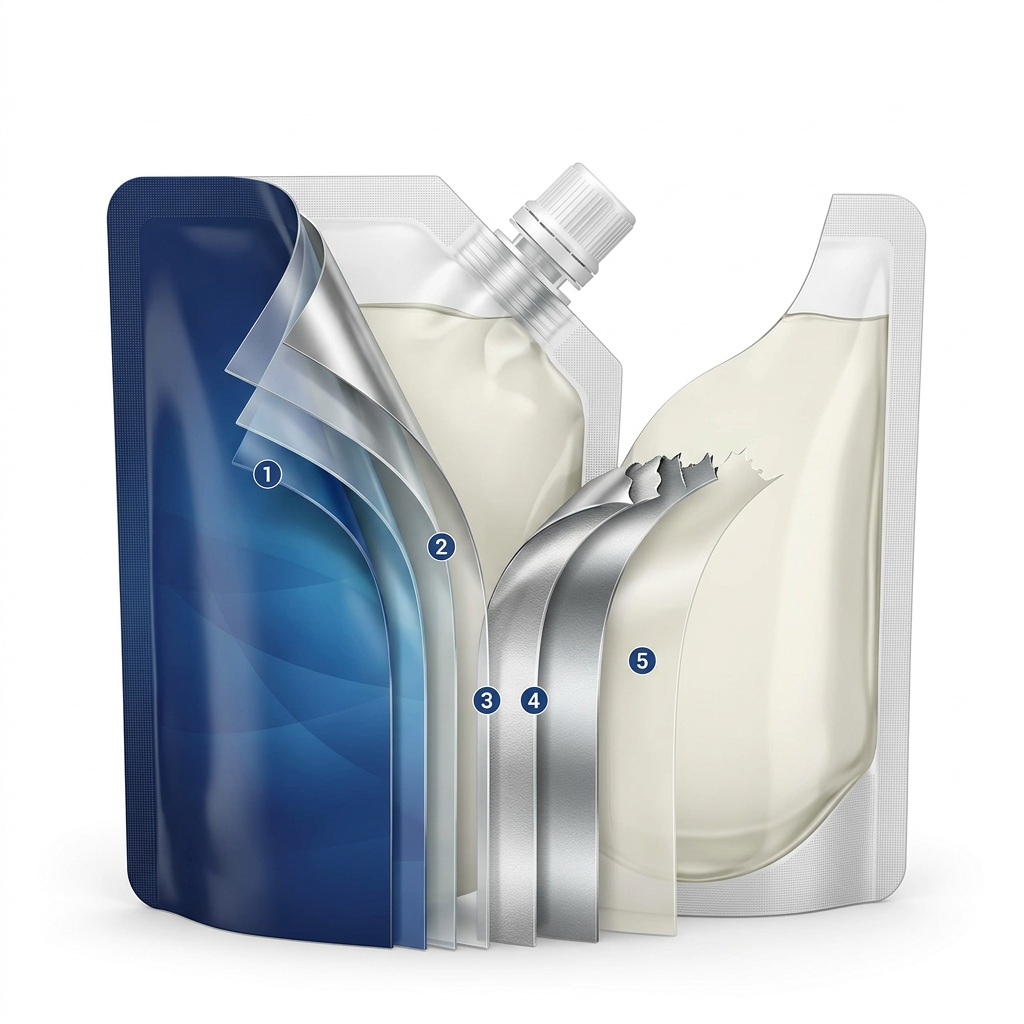
Most spout pouch structures are engineered as a system. The exact resin grades, thicknesses, adhesive system, and web combination should be confirmed in the supplier specification. The main layer functions are as follows:
- Outer layer: This layer provides the print surface, protects graphics during handling, and contributes to stiffness and abrasion resistance. Polyester, commonly abbreviated as PET, is often used where print quality and dimensional stability are important.
- Strength or support layer: A polyamide layer, often called nylon or PA, can contribute puncture resistance and toughness. It may be useful for products or distribution conditions that place higher mechanical demands on the pouch.
- Barrier layer: Aluminum foil, metallized film, EVOH, or other barrier materials may be used to reduce transmission of oxygen, moisture, aroma, or light. The appropriate barrier depends on the product and target shelf life.
- Inner sealant layer: Polyethylene, including PE-based sealant films, commonly forms the product-contact and heat-seal surface. Its sealing range, coefficient of friction, hot tack, chemical resistance, and fitment-sealing behavior must match the filling process.
- Adhesive and tie layers: Adhesives bond laminate webs, while tie layers may join materials that do not bond directly. Bond strength and curing conditions are important quality parameters.
Layer thickness is not a simple measure of quality. Increasing thickness may improve stiffness or durability, but it can also affect material cost, pouch flexibility, forming behavior, and sealing conditions. The goal is a structure that meets the application requirements without adding layers that do not provide a useful function.
Common Spout Pouch Material Structures
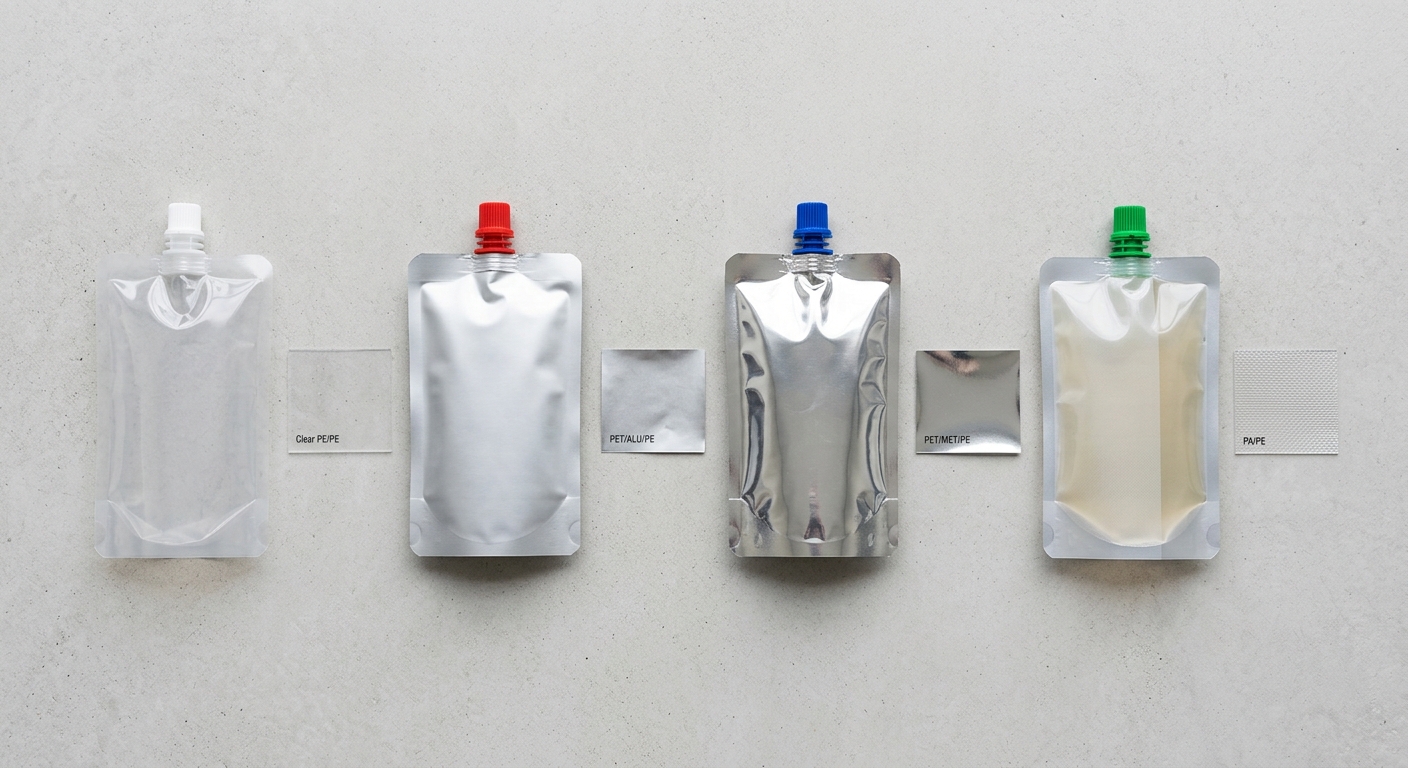
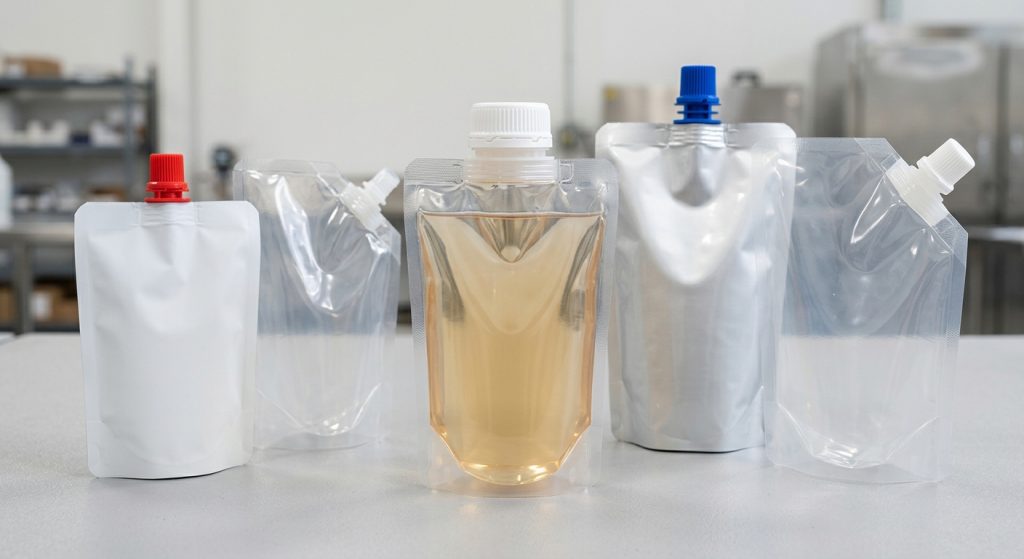
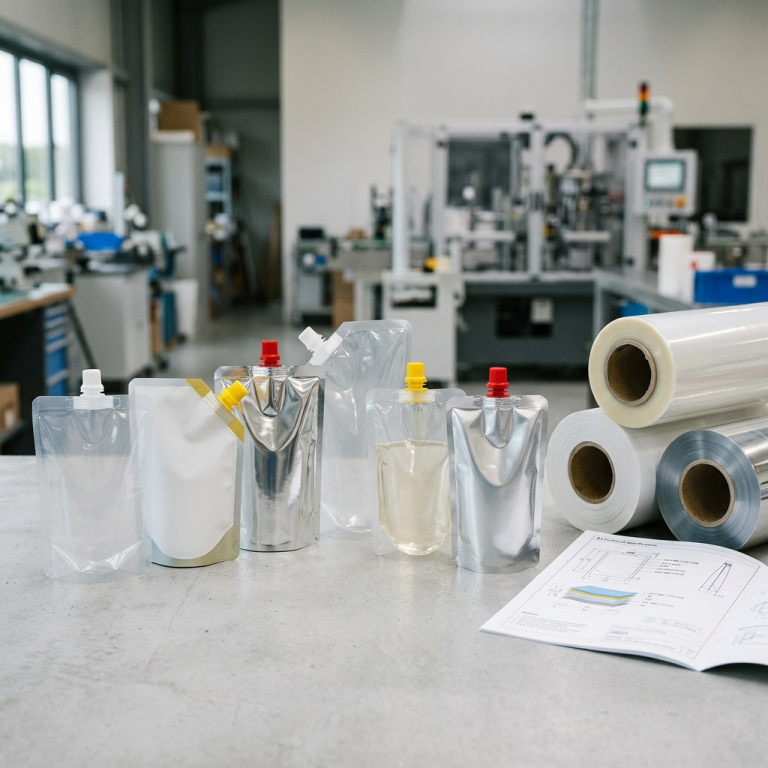
There is no universal best spout pouch laminate. The following constructions are common starting points for discussion, not automatic prescriptions. The final structure should be confirmed against the product, machinery, regulatory requirements, and test results.
Printed PET with PE sealant
A PET/PE-style laminate can provide a printable outer surface and a heat-sealable inner layer. It is often considered for products with moderate barrier needs where flexibility and straightforward sealing are priorities. The specific PE sealant grade should be checked for compatibility with the product, spout material, and filling temperature.
PET with aluminum foil and PE
A PET/AL/PE-style structure adds an aluminum foil barrier layer. It can be considered when strong protection from light, oxygen, moisture, or aroma transmission is important. Foil can reduce transparency and may change pouch handling and recycling considerations, so it should be selected for a defined barrier requirement rather than used by default.
PET with metallized film and PE
A PET/metPET/PE-style construction uses metallized polyester as a barrier layer. It may offer a reflective appearance and a barrier level appropriate for some products. Buyers should request the supplier’s measured barrier data and confirm whether the metallized layer meets the product’s shelf-life objectives.
PET, nylon, and PE
A PET/PA/PE-style laminate combines a printable outer layer, a tougher support layer, and a sealant layer. It may be suitable where puncture resistance, flex durability, or demanding transportation conditions are relevant. Nylon can interact with moisture and may influence dimensional behavior, so the complete construction should be evaluated rather than judged by material names alone.
High-barrier plastic structures
Some applications use plastic-based barrier layers such as EVOH or other specialty films. These structures may support a defined oxygen barrier objective while avoiding a foil layer, but their performance can depend on humidity, layer design, and processing conditions. The buyer should request technical data for the finished laminate and not rely only on the name of one resin.
Match the Structure to the Product
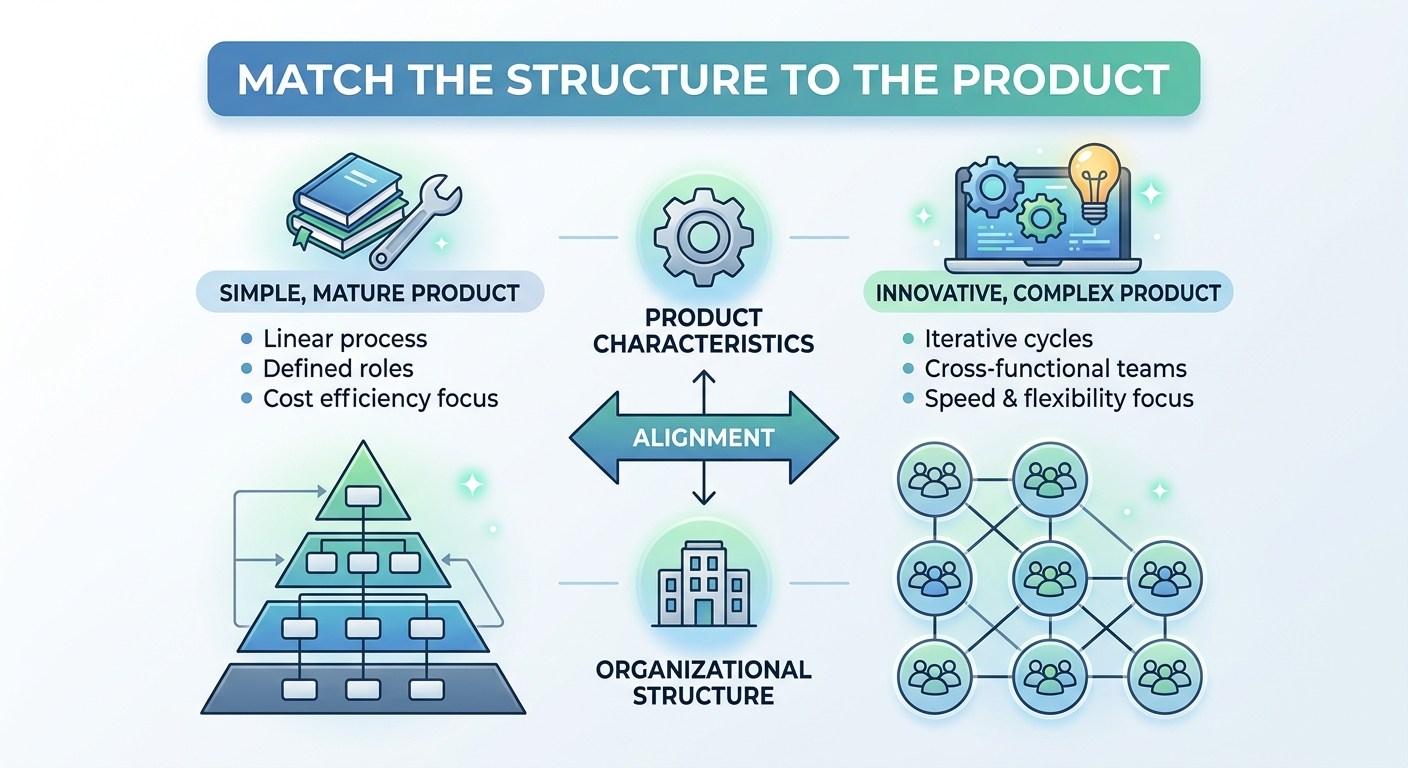
Product chemistry and physical behavior should guide the material decision. Before requesting a quotation, describe the product in enough detail for the converter to evaluate sealant and barrier compatibility.
- Watery or low-viscosity liquids: Confirm leak resistance, seal integrity, fitment sealing, and the filling line’s speed and temperature. A low-viscosity product can expose small seal defects quickly.
- Viscous products and purees: Consider the filling nozzle, product particulates, spout diameter, pouch orientation, and the possibility of product contamination in the seal area. If the product contains fibers or pieces, provide the particle size and filling method.
- Oil-based products: Review sealant resistance and the effect of oil on heat-seal performance. The supplier may need product samples or a detailed formulation description for compatibility screening.
- Acidic or salt-containing foods: Confirm product-contact compatibility, intended thermal process, and shelf-life target. The laminate and fitment should be evaluated as one package.
- Powders and granular products: Check dust control, seal contamination risk, moisture barrier, and whether the spout is necessary for the dispensing method. The filling process may require a different seal window from liquid applications.
- Household and personal-care liquids: Review chemical resistance, fragrance retention, stress cracking risk, cap compatibility, and transport conditions. A cleaning formulation should not be assumed to behave like a food product.
Also provide the product density, target fill weight or volume, storage temperature, distribution route, and whether the pouch will be squeezed, hung, stacked, or displayed upright. These details help the manufacturer assess the overall package rather than only the film.
Barrier Requirements and Product Protection
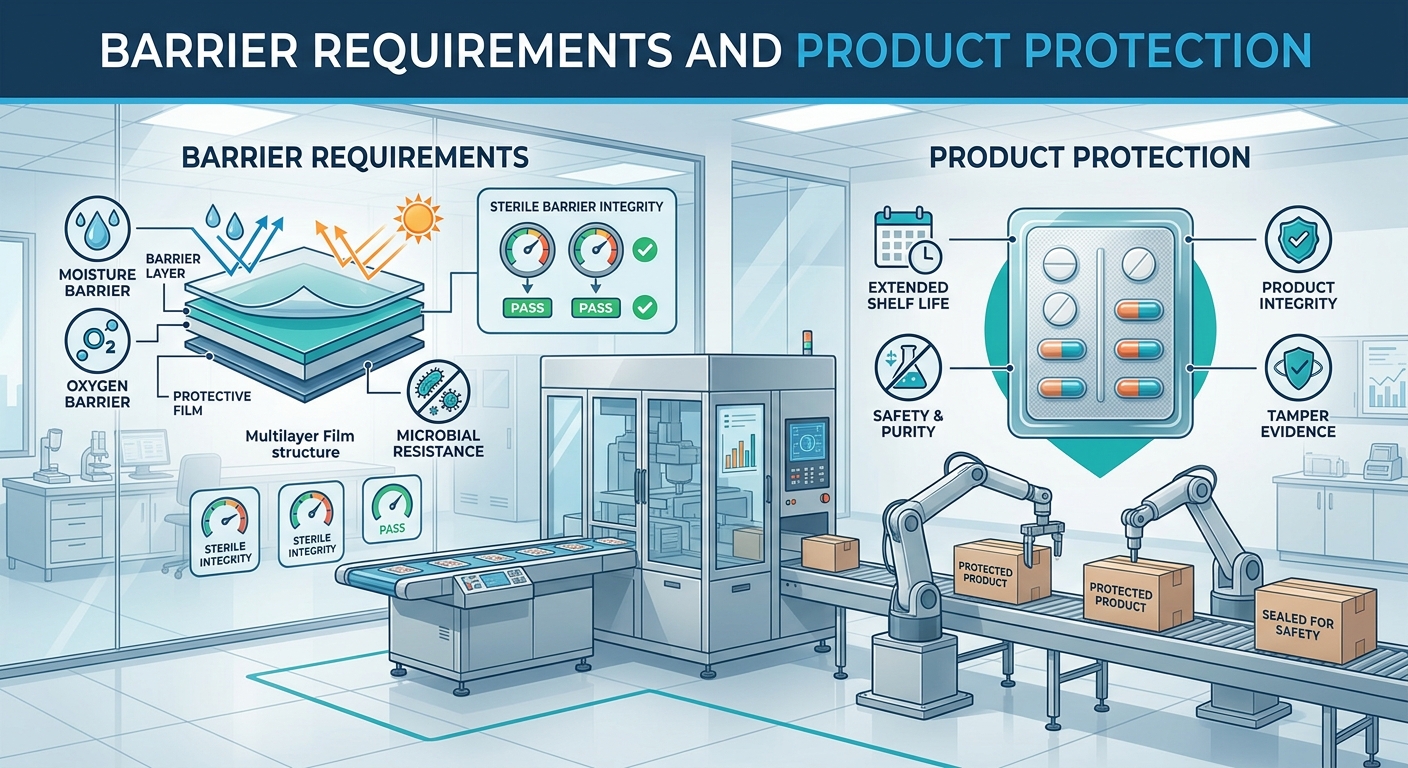
Barrier should be specified as a measurable packaging requirement, not as a vague preference for a premium material. The relevant properties may include oxygen transmission rate, water vapor transmission rate, light protection, aroma retention, grease resistance, and chemical resistance. The importance of each property depends on the product and the storage period.
Ask the supplier which test method and sample condition support the quoted barrier values. Oxygen and moisture transmission results can vary with film thickness, temperature, relative humidity, test direction, and laminate design. A value for one film layer does not necessarily represent the performance of the finished pouch, especially around seals, spouts, corners, and other converted areas.
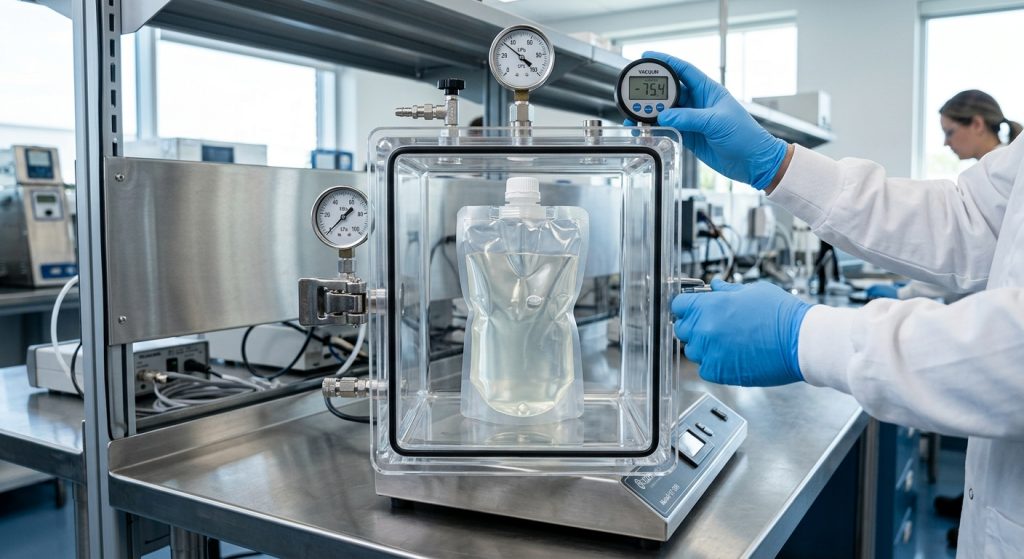
Barrier performance is only one part of package protection. Mechanical durability also matters. Consider drop impact, flex cracking, puncture resistance, top-load or compression exposure, cap handling, and transport vibration. If the product is filled hot or processed after filling, the pouch should be tested under those specific conditions.
For food, beverage, pharmaceutical, cosmetic, or chemical products, buyers should define the applicable product-contact and market requirements at the start of development. The packaging supplier can provide available material documentation, but the brand owner remains responsible for confirming that the complete package is suitable for its intended market and use.
Filling, Sealing, and Spout Compatibility

A material structure is suitable only when it can run reliably on the intended filling and sealing equipment. Share the machine type, filling speed, nozzle design, fill temperature, sealing temperature, dwell time, pressure, and any post-fill treatment with the pouch manufacturer. If these details are not available, request a trial plan rather than approving a structure solely from a datasheet.
The sealant layer must form a consistent seal across the operating window. Important considerations include seal initiation temperature, hot tack, seal strength, resistance to product contamination, and compatibility with the spout flange. The spout may be inserted and heat-sealed to the pouch during conversion, or the pouch may be filled through the fitment depending on the package design and line setup. Either way, the film, sealant, fitment, and sealing equipment must be compatible.
Cap and fitment selection should be reviewed with the material structure. Consider the spout outside diameter, opening size, cap torque, tamper-evident feature, cap resin, closure liner if used, and consumer dispensing behavior. A larger opening may help viscous products flow, while a smaller opening may support controlled dispensing. The correct choice depends on viscosity, particulates, filling equipment, and intended use.
Ask for finished-pouch tests that reflect actual production conditions. Useful checks may include visual seal inspection, burst or pressure testing, leak testing, drop testing, fitment pull testing, cap torque verification, and product compatibility evaluation. The exact test plan should reflect the product and market requirements.
Buyer Checklist for Material Approval
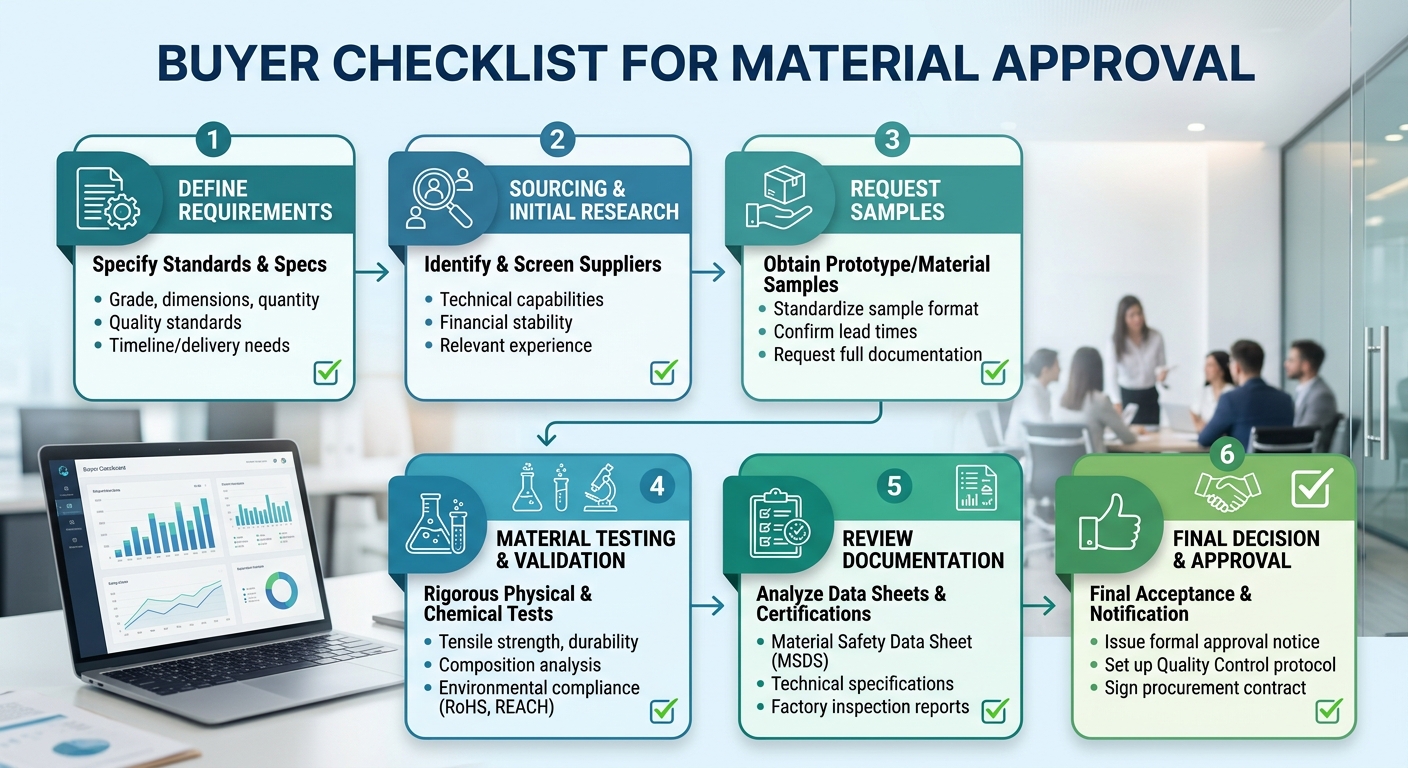
Before approving a spout pouch material structure, prepare a written specification covering the complete package. The following checklist helps reduce revisions between design, purchasing, filling, and quality teams:
- Product name, formulation category, viscosity, density, pH or chemical profile where relevant, and the presence of particles or fibers.
- Target fill volume or weight, pouch dimensions, gusset requirements, spout position, fitment opening, cap type, and intended display orientation.
- Required shelf life, storage temperature, exposure to light, oxygen or moisture sensitivity, aroma-retention needs, and distribution conditions.
- Filling equipment, filling temperature, sealing parameters, production speed, post-fill processing, and expected contamination risk in the seal area.
- Preferred appearance, print process, matte or gloss finish, transparency or opacity, surface effects, and artwork requirements.
- Required laminate structure or performance targets, total thickness range, sealant type, barrier data, and available technical documentation.
- Validation plan for samples, including leak, seal, drop, fitment, transport, product compatibility, and shelf-life checks as applicable.
- Order forecast, initial quantity, repeat-order expectations, delivery location, and packaging or pallet requirements.
When comparing supplier quotations, compare equivalent specifications. A lower price may reflect a different total thickness, barrier level, sealant, fitment, print process, testing scope, or minimum order quantity. Ask suppliers to identify assumptions in the quote and to state which details remain subject to sample approval.
For brands still choosing between pouch formats, a zipper pouch buying guide for food packaging can help clarify when a zipper format is more suitable than a spouted format. Spouted pouches are generally evaluated around controlled pouring or dispensing, while zipper pouches are typically assessed around open-and-close access.