Table of Contents
- What flexible packaging MOQ means
- What determines a packaging MOQ
- How order size affects unit cost and inventory risk
- Choose the packaging format before setting quantity
- Plan a lower-risk custom order
- Compare quotes on the same basis
- Key takeaways and conclusion
Flexible packaging MOQ depends on more than the number of pouches. Learn how production setup, materials, printing, fitments, and SKU choices affect cost, then plan an order that balances unit price with inventory risk.
What flexible packaging MOQ means
Flexible packaging MOQ is the smallest order a supplier will accept for a defined packaging specification. It is not necessarily one minimum that applies to every product: the quantity can depend on pouch style, dimensions, material structure, printing, fitments, and whether the order is for finished bags or roll film.
Definition: MOQ, or minimum order quantity, is the minimum production quantity for a specific order configuration. Confirm whether it applies per artwork, SKU, size, material, or combined purchase order. Two products ordered together may still count as separate production runs if their specifications differ.
A quoted minimum is a production boundary, not a prediction of the quantity your business should buy. A smaller order can limit inventory exposure but may carry a higher per-unit price because setup and production preparation are spread over fewer pieces. A larger run may improve unit economics while tying up more cash and storage space.
HUACANG Packaging states a starting MOQ from 5,000 pieces. Treat that as a starting point for discussion, not a universal minimum or a guarantee for every design. Ask for confirmation against the exact construction, print requirements, fitment, and order format.
What determines a packaging MOQ
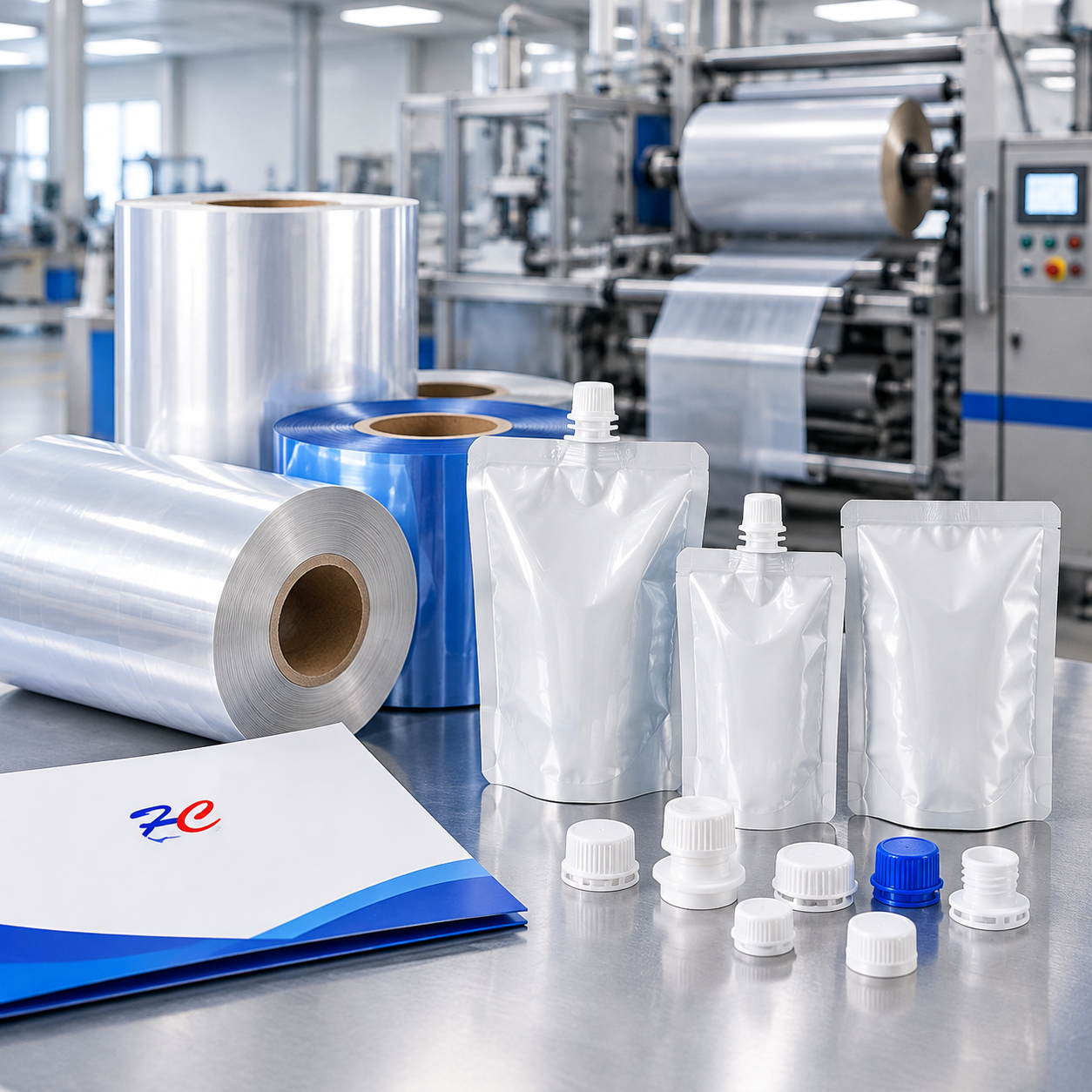
A supplier sets an MOQ around the production steps and materials needed to make a repeatable order. Ask which parts of the specification drive the minimum, because changing one variable may affect setup, material planning, or converting requirements.
- Packaging structure and dimensions: Film layers, barrier requirements, thickness, pouch width, and pouch length affect material planning and the converting setup. A custom shape or nonstandard size can require additional preparation.
- Printing and artwork: Printed packaging MOQ can reflect the print process, color requirements, artwork preparation, and the economical run length for a given design. Ask whether print setup charges are separate from the unit price.
- Pouch converting: Stand-up, side-gusset, and spout pouch formats use different converting operations. Special features can add setup steps or affect the minimum practical batch.
- Spouts, caps, and other fitments: The supplier may need to source or reserve fitments in specific styles and quantities. Confirm whether the fitment minimum matches the pouch minimum or is quoted separately.
- SKU count: Different sizes, artwork versions, materials, or fitments may each require their own production planning. A total order quantity across several SKUs does not automatically meet the MOQ for each one.
Some setup material or start-up production may not be saleable as finished goods. Ask how setup waste is handled in the quote and whether the quoted quantity refers to good finished pieces, produced pieces, or a tolerance around the requested amount. These definitions help prevent a mismatch between the purchase order and the cartons you expect to receive.
How order size affects unit cost and inventory risk
Flexible packaging cost combines production preparation with variable costs such as film, printing, converting, fitments, packing, and freight. Where a quote includes fixed setup charges, ordering more pieces to the same specification can spread those charges across more units. The final price still depends on the supplier’s production plan and quote tiers, so request pricing at more than one quantity when your forecast supports it.
The comparison below is directional rather than a price promise. It shows the trade-off to evaluate with your supplier and internal demand plan.
| Order approach | Cost pattern to check | Inventory exposure | Often suits |
|---|---|---|---|
| Small initial run | Fixed setup costs are spread across fewer units; the unit price may be higher. | Lower cash commitment and less stock to manage, but replenishment may require another setup. | New products, demand testing, or a changing specification. |
| Production-efficient run | May improve the unit price when setup is spread over more pieces; verify the supplier’s quantity breaks. | More cash and storage are committed, with a greater risk of excess stock if demand or artwork changes. | Established products with a stable forecast and specification. |
| Several SKU runs | Each size, artwork, or construction may incur separate setup or minimums. | Stock is divided across versions, which can leave slow-moving SKUs behind. | Brands that need distinct products or market versions. |
Compare total landed cost, not only the quoted unit price. Include setup charges, fitments, packing, freight, and any costs of holding stock. For a useful comparison, ask the supplier to show the same specification at a few practical quantities and identify what changes between price tiers.
Choose the packaging format before setting quantity
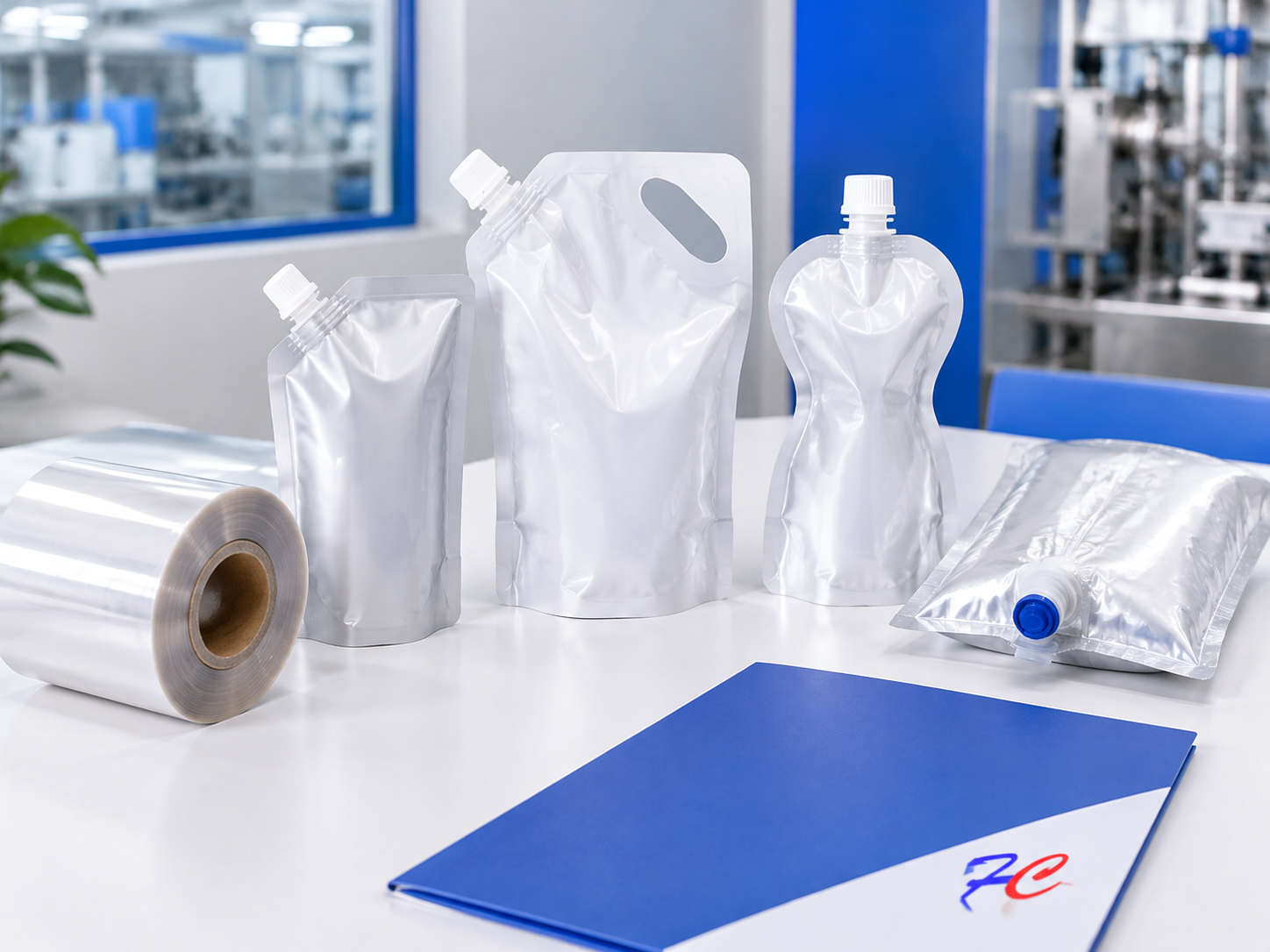
Set the packaging specification before comparing MOQs. A format that fits the product, filling process, and channel avoids quoting a low-cost option that later needs redesign. The table lists common formats and the questions to resolve with a supplier; it does not imply a single MOQ for each type.
| Format | Typical planning fit | Confirm before quoting quantity |
|---|---|---|
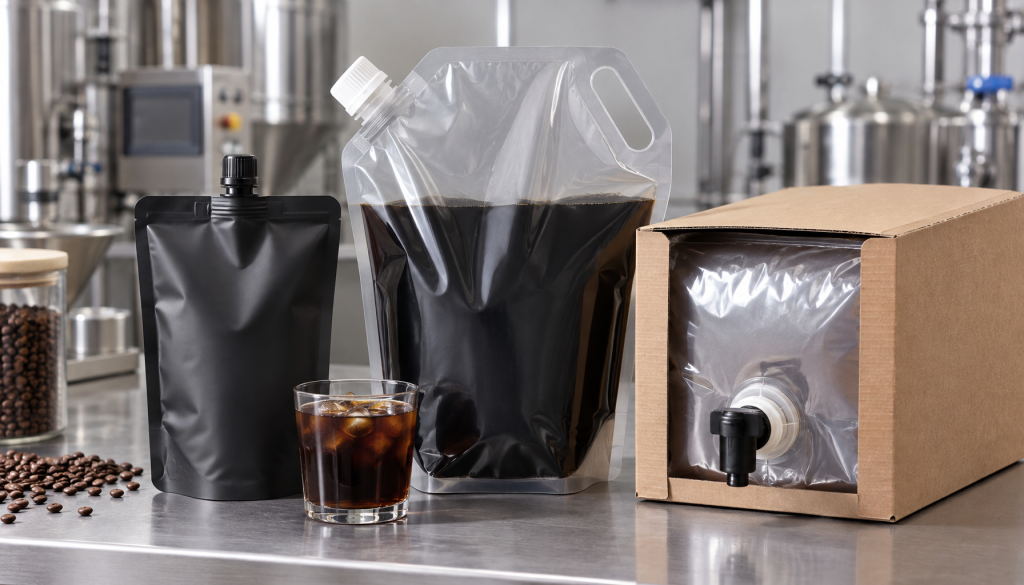
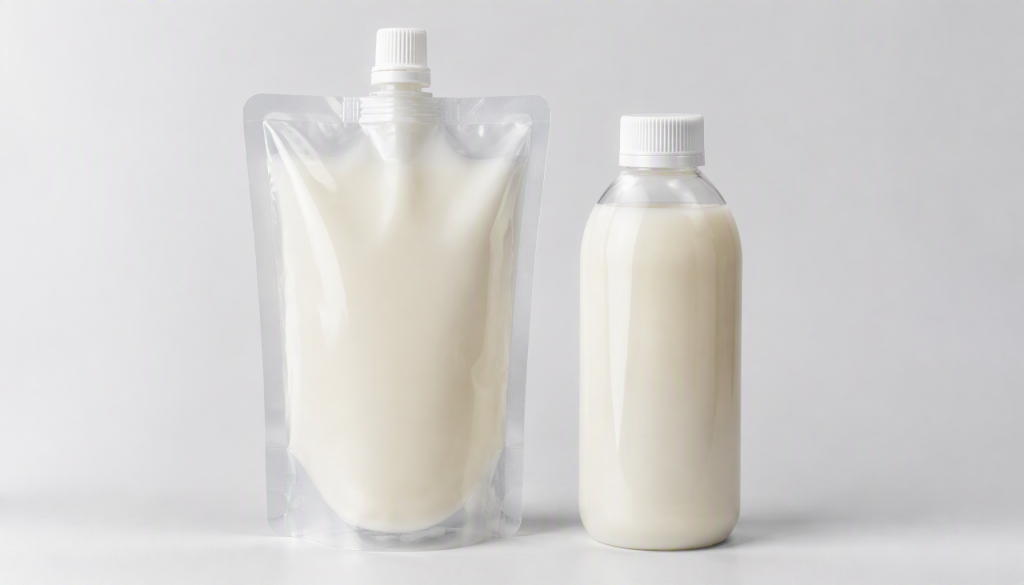
| Custom spout pouch | Liquid or semi-liquid products that need a dispensing fitment. | Fill volume, pouch dimensions, spout position and size, cap or closure, filling method, and material requirements. Review a transparent spout pouch if seeing the product or fill level is part of the pack design. |
| Spout pouch with handle | Larger liquid packs where a handle is part of the carrying and pouring design. | Filled pack weight, handle geometry, spout location, filling-line handling, and carton dimensions. Compare the requirements for a spout pouch with a handle. |
| Shaped spout pouch | Brand-led packs where the outline is part of the product presentation. | Shape, usable fill volume, seal area, fitment placement, and any added tooling or setup charges. A custom-shaped spout pouch may involve different setup planning from a standard pouch. |
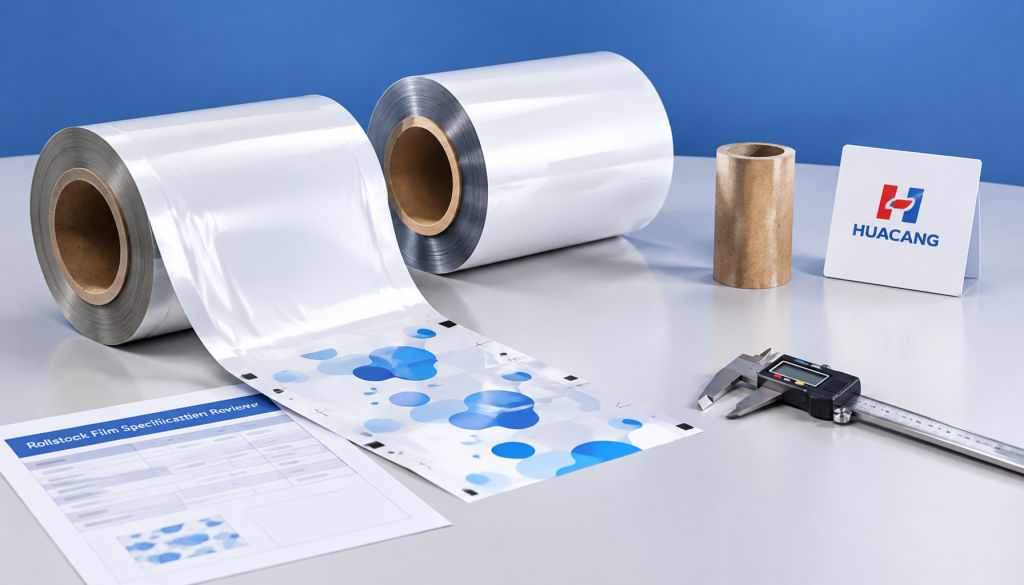
| Roll film | Products packed on a compatible form-fill-seal line. | Film structure, roll width, repeat length, winding direction, core details, and how the supplier measures MOQ, such as length, area, or weight. |
| Bag-in-box inner bag | Bulk liquid systems using an outer box and a dispensing closure. | Bag capacity, fitment, filling and dispensing requirements, and whether bag and fitment quantities are listed separately. |
For any format, specify the product, target fill volume, intended use, barrier needs, and filling equipment before asking for pricing. A technically suitable format may have a different production minimum from a visually similar one because the materials and converting steps differ.
Plan a lower-risk custom order

Use a staged decision process so the MOQ reflects a workable product specification and realistic demand rather than an arbitrary target.
- Define the launch requirement. Record the product, fill volume, target pouch dimensions, sales channel, launch date, and expected usage. Separate confirmed demand from an early forecast.
- Lock the technical specification. Confirm material structure and barrier needs, pouch style, dimensions, print requirements, fitment, and filling process. Avoid requesting a final price against a design that is still likely to change.
- Count SKUs explicitly. List each size, artwork, material, and fitment variation. Ask the supplier which changes create a separate MOQ and whether any elements can genuinely be shared without changing the specification.
- Request quantity tiers. Ask for prices at the quoted MOQ and at one or more larger quantities that match plausible demand. Request separate line items for setup, fitments, samples, and freight where applicable.
- Check stock and cash exposure. Estimate how quickly each SKU will sell, where it will be stored, and how much inventory could become obsolete after a formula, label, or artwork change. Do not assume a lower unit price produces a lower total cost.
- Approve samples and artwork before production. Confirm dimensions, fitment, print files, and the agreed specification. Establish what sample approval covers and whether any changes after approval can affect setup, cost, or schedule.
When demand is uncertain, discuss a smaller first run or a staged purchasing plan with the supplier. Ask whether the production MOQ, order quantity, and delivery schedule can be handled separately; availability depends on the supplier’s process and written agreement. Do not assume that a supplier can hold finished stock or combine separate designs under one minimum without confirming the terms.
For an established product, compare the cost of a planned replenishment run with the carrying cost and risk of holding additional packaging. Include expected changes to forecasts, artwork, and specifications. A useful order quantity is one the business can consume before the pack design or demand assumptions become outdated.
Compare quotes on the same basis
Supplier quotes are only comparable when they use the same specification and quantity basis. Send each supplier one approved spec sheet and ask them to identify assumptions or exclusions. For custom pouch minimum order quantity comparisons, check the following before choosing a bid:
- Quantity basis: Is MOQ per SKU, artwork, size, or total order? Does the quote refer to good finished pieces, and what production tolerance applies?
- Specification: Are film structure, dimensions, thickness, print colors, finish, spout, and cap the same across quotes?
- Price breakdown: Are setup or tooling charges, fitments, sample costs, packing, and freight included or listed separately?
- Sample and approval process: What sample type is available, what will it verify, and what requires a separate production sample or test?
- Schedule and delivery: What event starts the lead-time estimate, and are production, inspection, and shipping timelines shown separately?
Lead time should be confirmed for the exact order and counted from the supplier’s stated milestone, such as artwork approval and deposit, if applicable. A low quoted MOQ is not enough to assess supplier suitability: also review quality controls, communication, fitment compatibility, and shipping terms. Keep the approved quotation and specification together so purchasing, product, and operations teams are comparing the same package.
Key takeaways and conclusion
- MOQ is tied to a defined specification and may apply separately to each SKU, artwork, size, or fitment.
- Setup, materials, printing, converting, and fitment sourcing can all affect minimum quantities and price.
- More pieces may spread fixed setup costs, but they also increase inventory and cash exposure.
- Compare quotes using the same structure, quantity basis, inclusions, and delivery terms.
- Ask for written confirmation of setup charges, fitment quantities, finished-piece counts, and production tolerances.
The right flexible packaging MOQ is the quantity that balances production economics with forecast demand, inventory capacity, and the cost of future design changes. Define the pack first, request comparable quantity tiers, and confirm which SKU-level requirements create separate minimums before placing a custom order.
FAQ
What is a typical MOQ for custom flexible packaging?
There is no universal MOQ because the minimum depends on the packaging format and specification. HUACANG Packaging states a starting MOQ from 5,000 pieces, but the minimum for a particular order should be confirmed against its material, dimensions, printing, fitment, and SKU count.
Why can printed packaging have a higher MOQ?
Printing requires artwork preparation and production setup, while the print run must also be planned around the selected material and converting process. Ask whether setup charges are separate and whether the quoted minimum applies to each artwork or design version.
Can I combine several pouch designs to meet one MOQ?
Not necessarily. Different sizes, artwork, materials, or fitments may require separate setups and therefore separate minimums. Ask the supplier which specifications, if any, can share a production run and get the answer confirmed in the quotation.
How can I reduce order risk without ignoring MOQ?
Finalize the specification before ordering, separate confirmed demand from forecast, limit initial SKU variations where practical, and request price tiers at realistic quantities. Compare the savings from a larger run with storage, working capital, obsolescence, and replenishment costs.
Does a higher order quantity always mean a lower unit price?
No. A larger quantity can spread fixed setup costs, but the actual price depends on materials, production planning, fitments, and the supplier’s quantity tiers. Request written pricing for the same specification at multiple quantities instead of assuming a discount.
Need Custom Spout Pouch Packaging?
Share your product, fill volume, packaging requirements, artwork, and estimated order quantity. Our packaging team can recommend a suitable pouch structure, spout option, and quotation.