Table of Contents
- What Are Hot-Fill Spout Pouches?
- How to Select the Material Structure
- Hot-Fill Spout Pouch Seal Design
- Spout and Cap Compatibility
- Filling Conditions and Validation
- Buyer Specification Checklist
- Common Specification Errors
Hot-fill spout pouches require a heat-resistant pouch structure, compatible spout materials, and seal parameters validated for the product and filling process. This guide explains how B2B packaging buyers should specify films, seals, fitments, dimensions, and testing before production.
What Are Hot-Fill Spout Pouches?
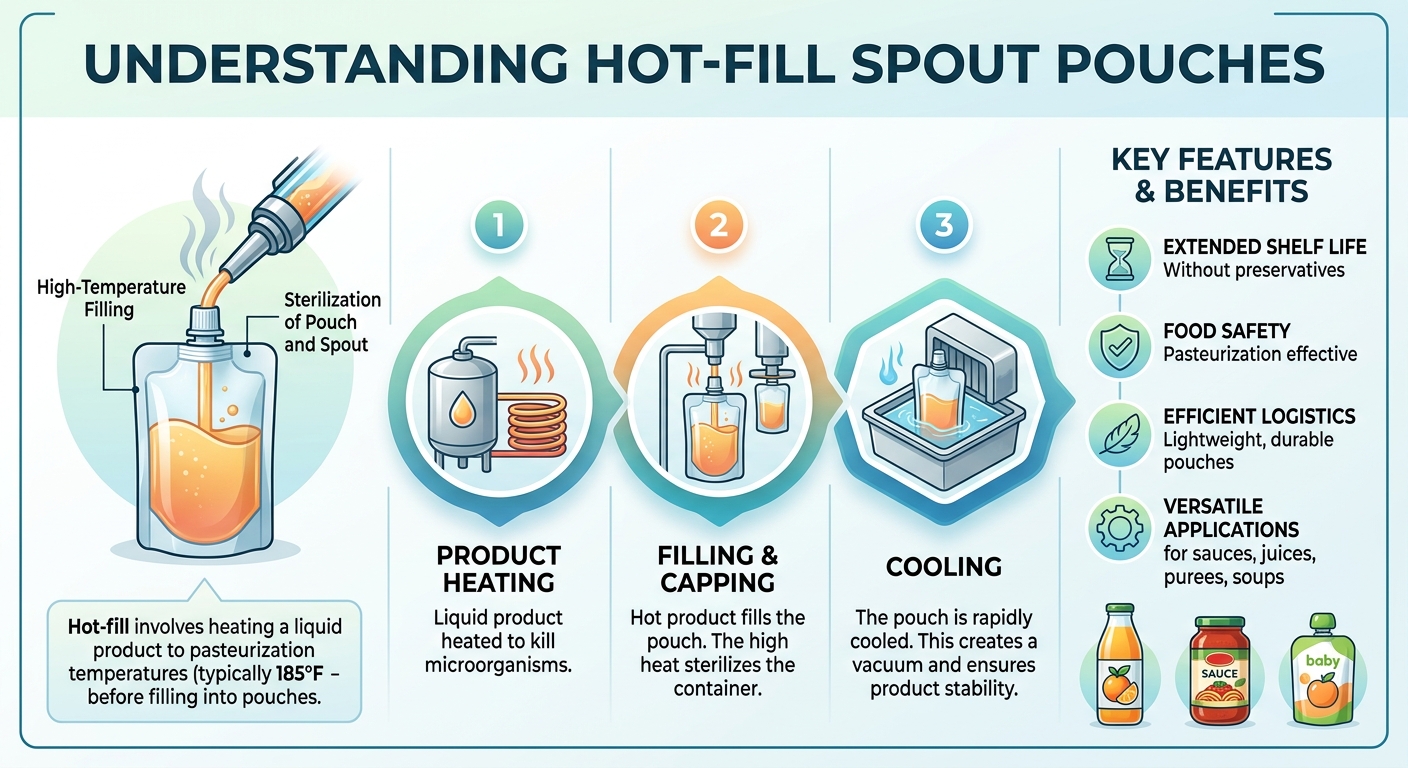
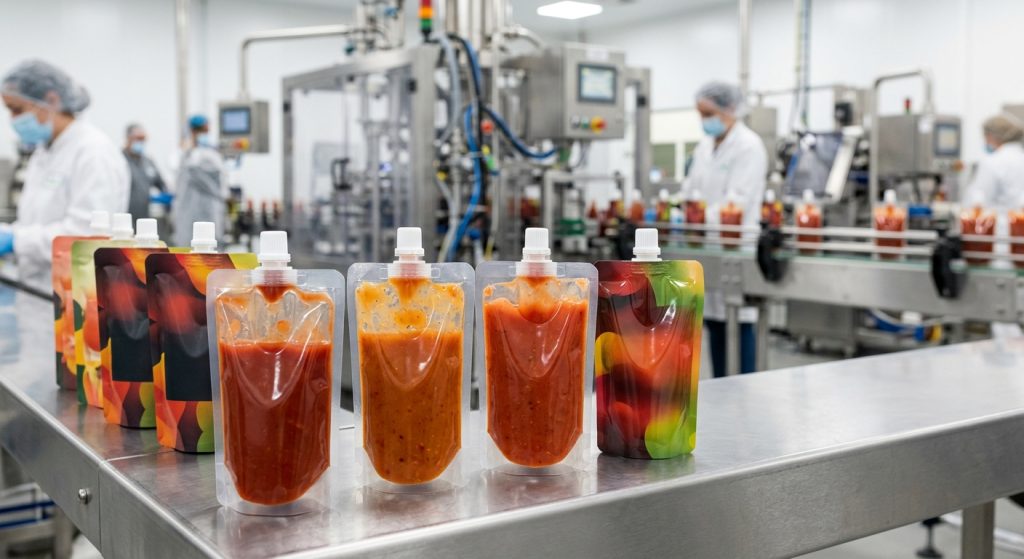
Hot-fill spout pouches are flexible packages designed to receive a product at an elevated filling temperature through a spout or fitment. The pouch must retain seal integrity, dimensional stability, and product compatibility during filling, cooling, storage, and distribution. The exact design depends on the product, fill temperature, holding time, headspace, filling equipment, and required shelf life.
Hot filling is a process condition, not a single pouch specification. A structure that works for one sauce, puree, beverage, or liquid food may not be suitable for another. Buyers should therefore approve the complete pouch system—including film laminate, spout, cap, seals, filling method, and product—rather than selecting film by name alone.
For U.S. food applications, packaging documentation should also support the intended food-contact use. Review the guidance in this FDA food-contact spout pouch buyer guide before finalizing a commercial specification.
How to Select the Material Structure
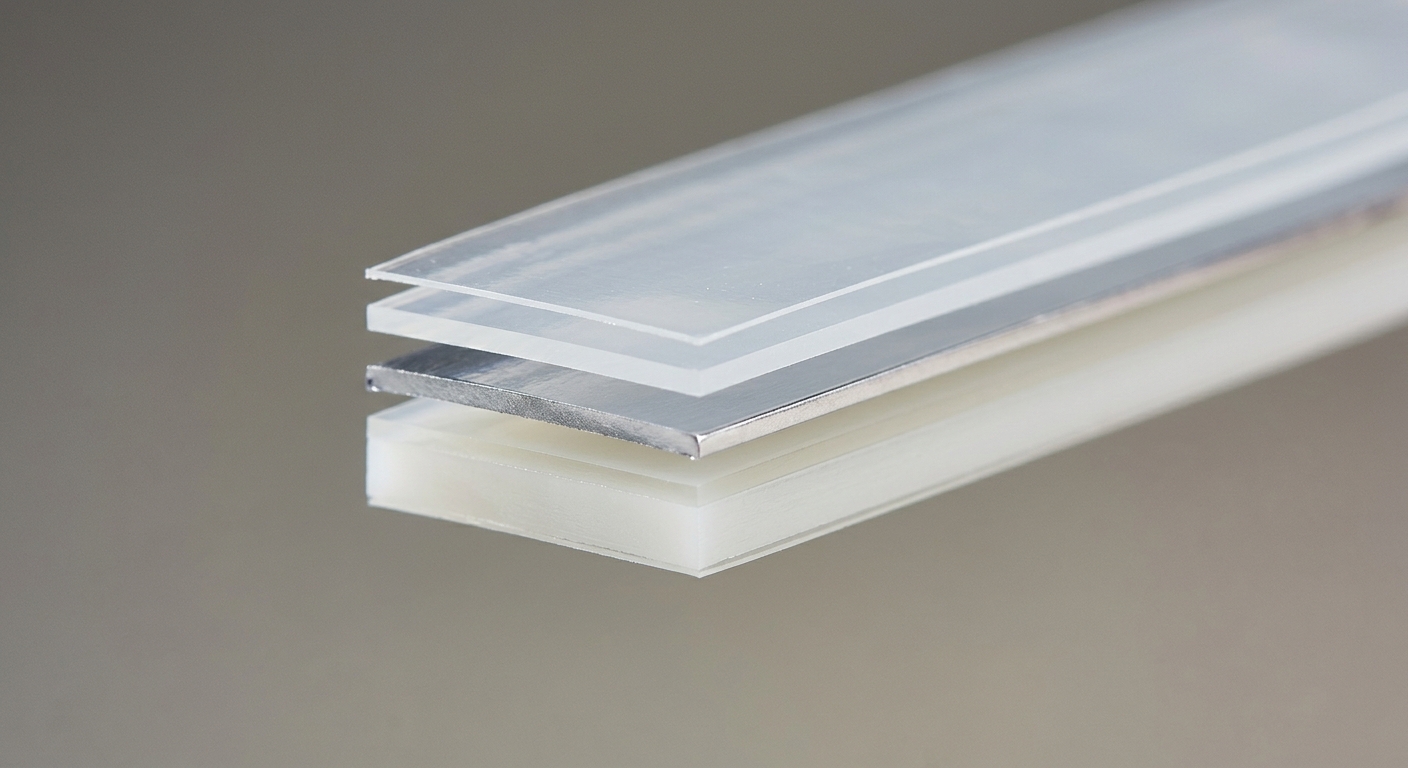
A hot-fill pouch normally uses a multilayer structure in which each layer has a defined function. The outer layer provides printability and handling durability. The middle layer may provide oxygen, moisture, light, or aroma protection. The sealant layer contacts the product and forms the pouch seals. In some designs, an adhesive layer bonds dissimilar films together.
Common material families may include polyester, polyethylene, polypropylene, nylon, metallized films, and aluminum foil, depending on the required barrier and process. The correct choice is determined by the product and process rather than by the number of layers. Acidic products, oily formulas, suspended particles, high-viscosity fillings, and products sensitive to oxygen or light may require different structures.
- Sealant layer: Confirm that it is suitable for the filling temperature, product chemistry, and required seal window.
- Barrier layer: Select oxygen, moisture, light, and aroma protection according to the product’s shelf-life target.
- Mechanical layer: Consider puncture resistance, drop handling, flex cracking, and the weight of the filled pouch.
- Process compatibility: Confirm that the laminate can run on the customer’s filling and sealing equipment without excessive distortion or contamination-related seal failures.
Do not assume that a higher barrier automatically provides a better solution. Foil and metallized structures can affect appearance, recyclability options, microwave suitability, and cost. If a mono-material approach is being considered, review its barrier and heat-sealing tradeoffs in the mono-material spout pouch buyer guide.
Hot-Fill Spout Pouch Seal Design

Seal design is one of the most important factors in hot-fill spout pouch performance. Heat seals must remain continuous and strong after exposure to the filling process, product contact, cooling, handling, and distribution. A pouch can have a suitable laminate and still fail if the sealing conditions, seal geometry, or fitment connection are not correctly controlled.
Specify the following seal details with your packaging supplier:
- Sealant chemistry: Identify the sealant family and its intended product and temperature range.
- Seal width: Define the minimum seal width required for the pouch size and expected handling load.
- Seal window: Establish acceptable temperature, pressure, and dwell-time conditions on the filling line.
- Contamination tolerance: Consider whether product may reach the seal area during filling and how the equipment manages it.
- Fitment seal: Confirm the connection between the spout flange and pouch laminate, including the sealing profile and equipment method.
- Post-fill cooling: Account for shrinkage, internal pressure, vacuum formation, and shape changes as the product cools.
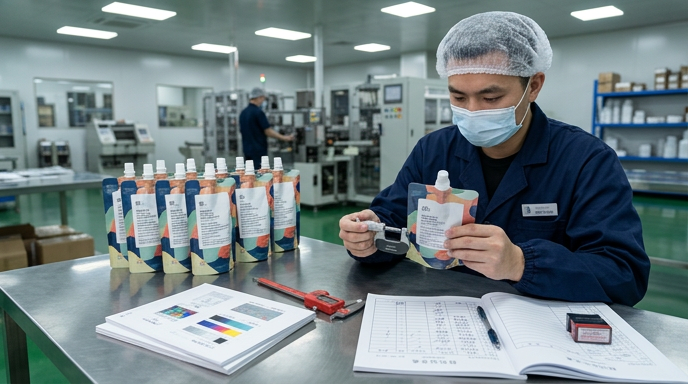
Seal strength should not be evaluated only on clean, empty samples. Testing should include filled pouches produced under representative conditions. A supplier may measure seal strength, leak integrity, burst resistance, and visual defects, but the acceptance criteria should be agreed before approval.
Spout and Cap Compatibility
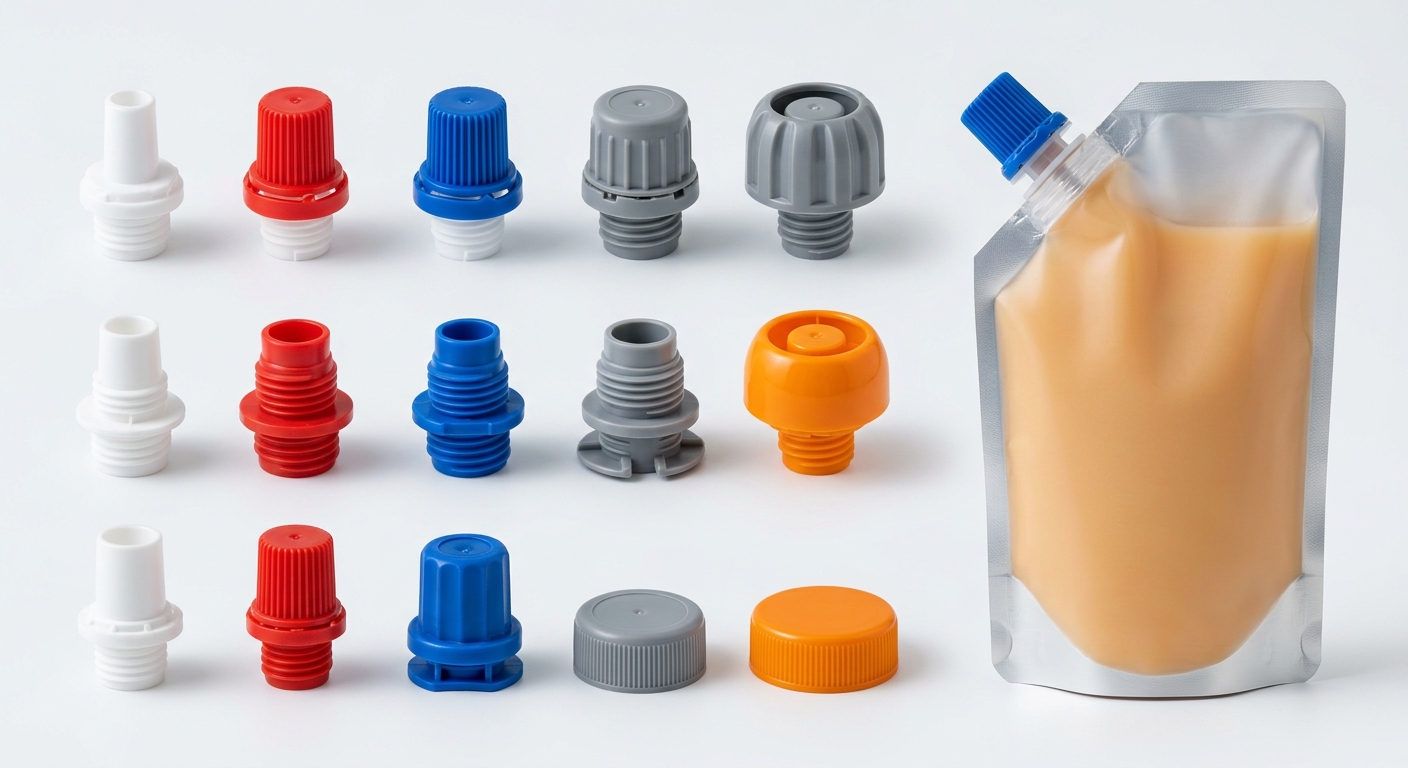
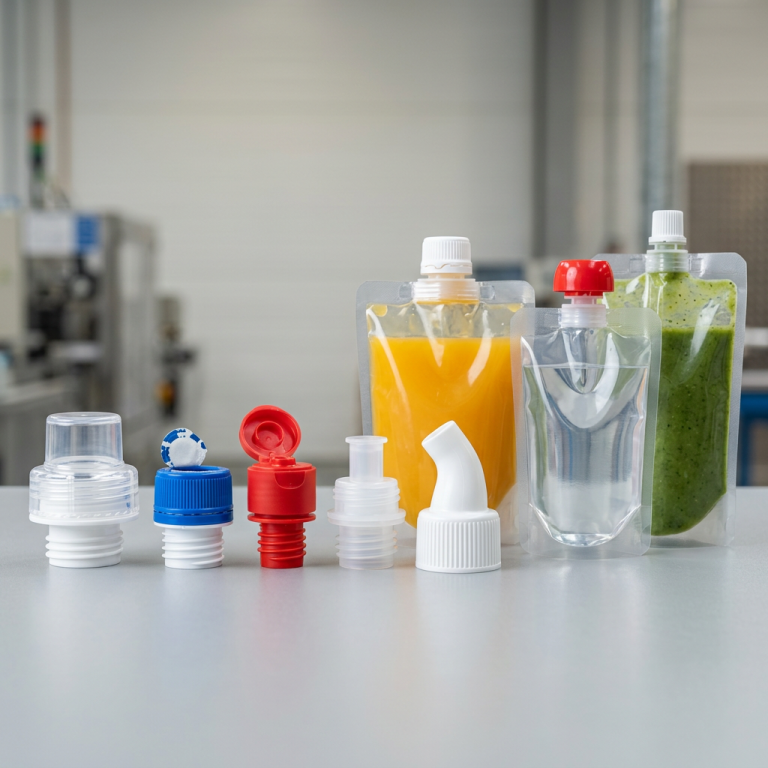
The spout is part of the package’s functional and sealing system. Its resin, flange design, opening diameter, cap style, and connection method must match the product and filling process. A spout that is adequate for a cold-filled liquid may require different evaluation when exposed to hot product, thermal cycling, or post-fill pressure changes.
When specifying the fitment, provide the supplier with the product viscosity, particle size if applicable, fill temperature, target fill weight or volume, closure requirements, and dispensing expectations. Narrow openings may support controlled dispensing but can restrict thick products or products with particulates. Larger openings may improve flow but can affect cap size, pouch appearance, and equipment compatibility.
Also define whether the pouch is filled through the spout or through an open top before the spout is sealed. These processes create different requirements for fitment sealing, filling speed, product contamination, and line tooling. For a broader review of closure options, see the spout pouch closure and fitment guide if available from your supplier’s technical library.
Cap torque, tamper evidence, resealability, and consumer opening force should be checked on production-intent samples. The closure must also remain compatible with the product throughout the intended storage period.
Filling Conditions and Validation

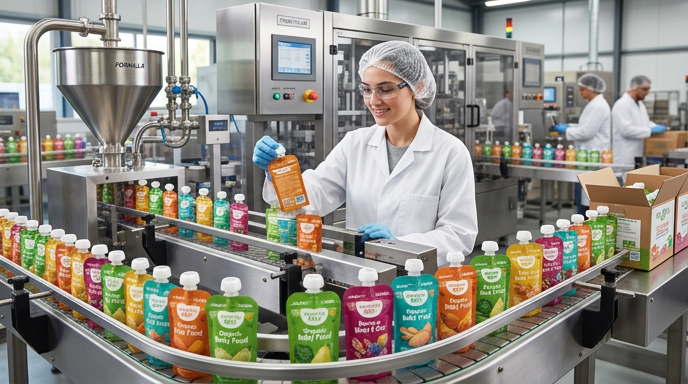
Before production, the pouch should be evaluated under the actual or closely simulated filling conditions. Record the product temperature at the filler, fill speed, fill volume, headspace, sealing delay, closure application, cooling method, and storage orientation. These variables can influence internal pressure, pouch deformation, seal contamination, and leakage.
A practical validation plan may include:
- Filling samples with the intended product or a representative formulation.
- Running the target filling and sealing equipment at realistic operating conditions.
- Inspecting the spout seal, perimeter seals, corners, and cap connection after filling.
- Checking leaks immediately and after a defined cooling and conditioning period.
- Performing distribution-relevant handling tests, such as compression, drop, or vibration evaluations where appropriate.
- Conducting shelf-life testing for product quality, package integrity, and closure performance.
The test plan should reflect the final pouch dimensions and fill weight. A small laboratory pouch may not experience the same stresses as a larger commercial format. For a more complete approach to package integrity and storage evaluation, consult this guide to spout pouch shelf-life testing.
Hot filling does not by itself establish commercial sterility or shelf stability. Processing conditions, product formulation, filling hygiene, and the applicable regulatory requirements must be addressed by the product owner and process authority where relevant.
Buyer Specification Checklist
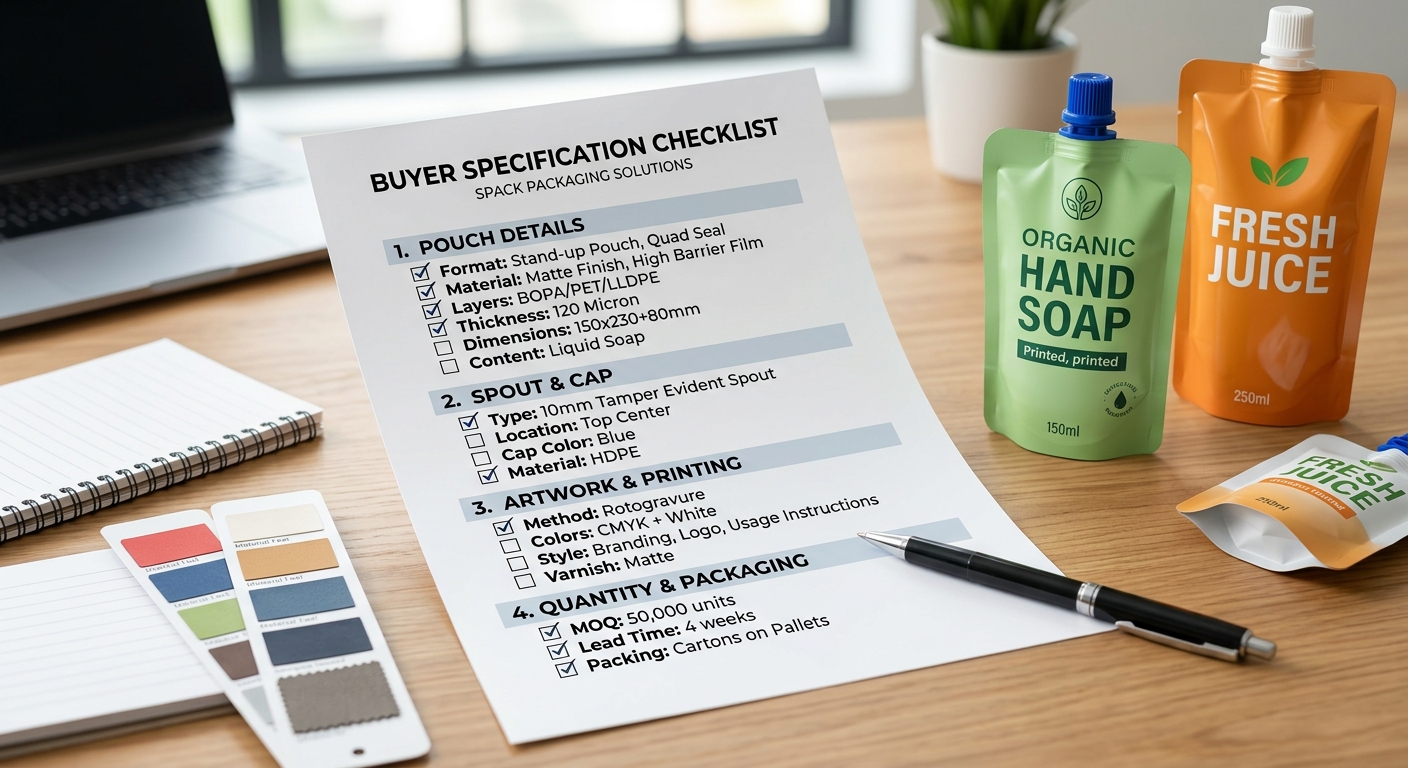
Include the following information in an RFQ or technical specification for hot-fill spout pouches:
- Product name, ingredients, pH, viscosity, oil content, particulates, and known package interactions.
- Target fill temperature, time between filling and sealing, fill weight or volume, and headspace.
- Required pouch dimensions, capacity, gusset or shape design, and filled-pouch orientation.
- Proposed laminate structure or required barrier against oxygen, moisture, light, and aroma.
- Spout position, opening diameter, flange design, cap type, and tamper-evident requirements.
- Filling route: through-spout filling or open-top filling followed by fitment application.
- Printing method, artwork file format, color expectations, surface finish, and coding area.
- Performance requirements for leak testing, seal strength, drop handling, compression, and shelf life.
- Annual demand, forecast order quantity, required sample quantity, target launch date, and shipping destination.
- Required technical documents, food-contact basis, inspection standards, and packaging quality records.
Clear input reduces redesign and sampling delays. This spout pouch RFQ checklist can help organize the information needed for feasibility review and quotation.
Common Specification Errors
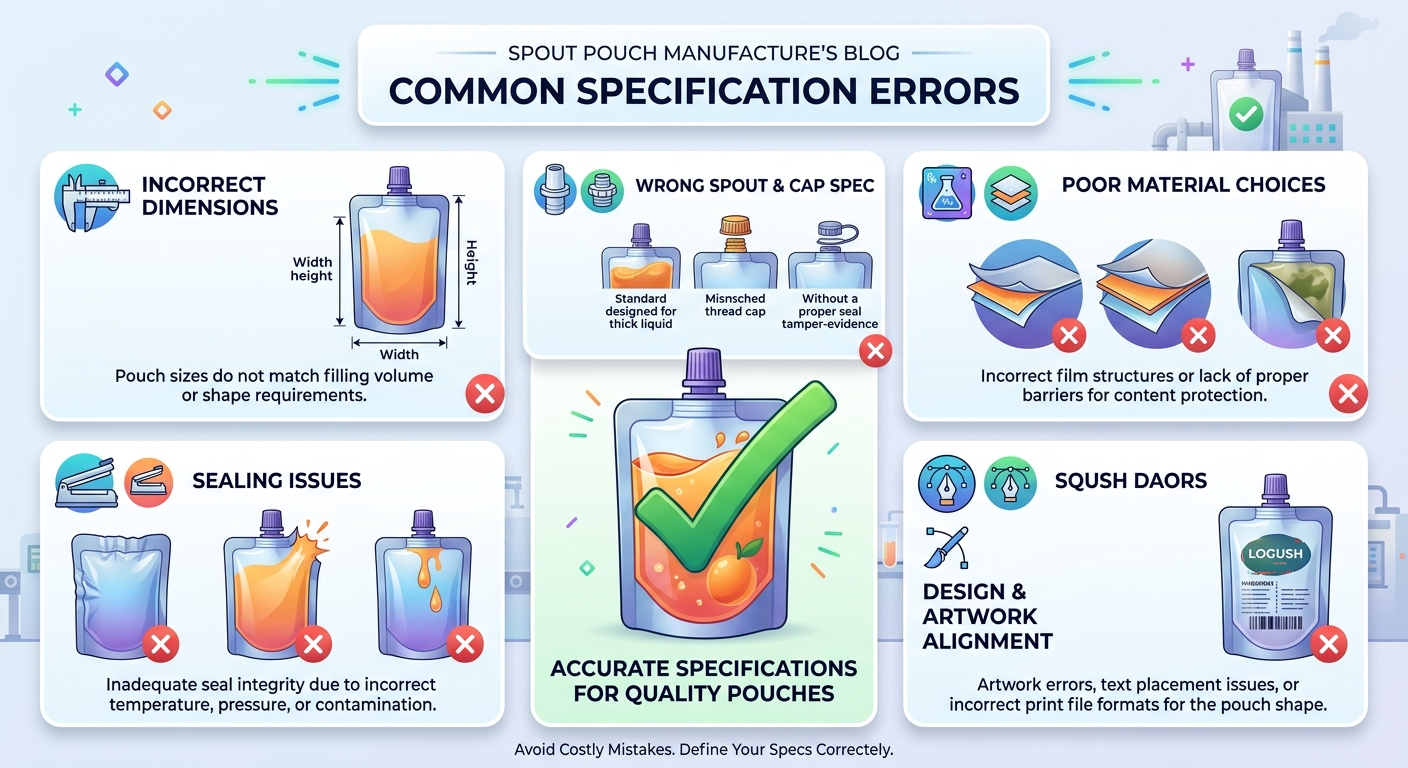
Several avoidable errors can create leakage, deformation, or delays when developing hot-fill spout pouches:
- Specifying only a film name: A material family does not define the full laminate, sealant, thickness, or process suitability.
- Providing no real filling data: Suppliers need the actual temperature and sealing sequence rather than a general statement that the product is hot-filled.
- Testing unfilled pouches only: Product contamination, internal pressure, and cooling effects may change performance.
- Ignoring the fitment: The pouch laminate may be suitable while the spout seal or cap system is not.
- Changing pouch size after validation: Different dimensions and fill weights can alter stresses and sealing behavior.
- Confusing hot fill with aseptic or retort processing: These processes have different packaging and validation requirements.
Use production-intent materials, fitments, dimensions, and filling conditions during final approval. If the product, process, or pouch format changes, determine whether repeat validation is necessary.