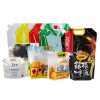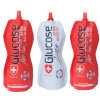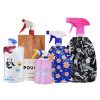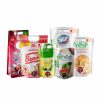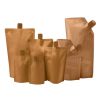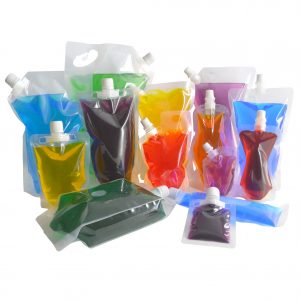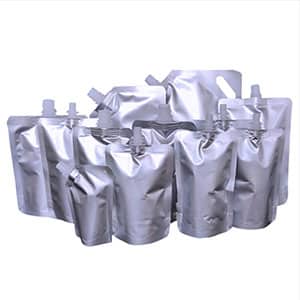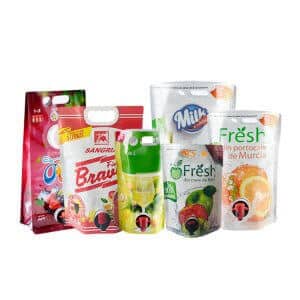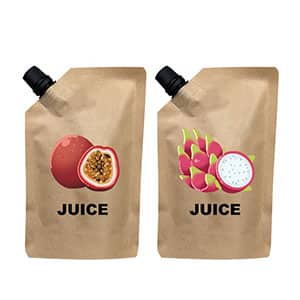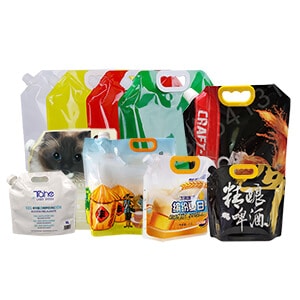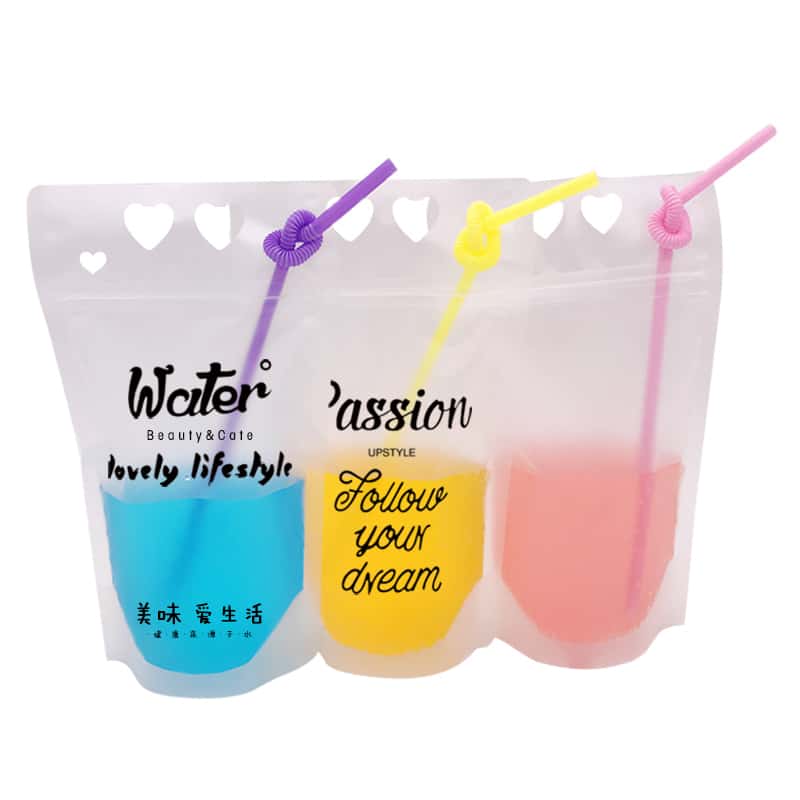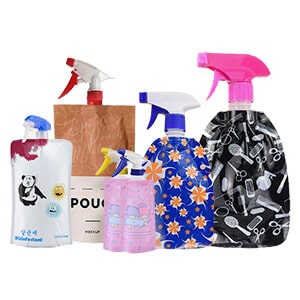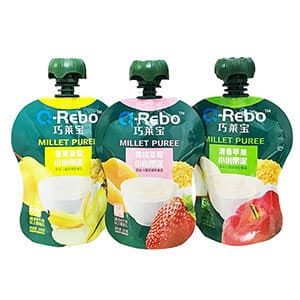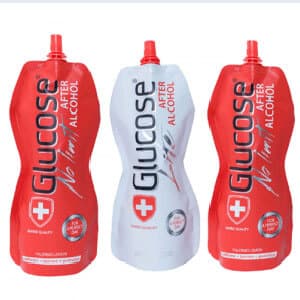

The packaging landscape for household chemicals is undergoing a significant structural shift. While rigid HDPE bottles have long been the standard for liquid laundry detergents, fabric softeners, and dish soaps, market data shows a rapid migration toward flexible spout pouches. This transition is driven not just by consumer demand for sustainability, but by compelling economic and logistical advantages for manufacturers and brand owners.
For B2B buyers and procurement teams, switching to flexible packaging requires careful consideration of material science. Unlike water or juice, laundry detergents contain aggressive surfactants and active chemicals that can compromise standard packaging films. Choosing the right OEM partner and material specification is critical to preventing delamination and leaks.
This guide explores the technical and operational reasons behind the adoption of large-format spout pouches for liquid detergents and outlines the specifications required to ensure durability.
The Rise of the Refill Economy
The "refill economy" is reshaping retail shelves. Brands are increasingly selling durable, reusable dispenser bottles alongside large-volume refill pouches (typically 1L to 5L). This strategy reduces overall plastic consumption and optimizes shelf space.
Cost Efficiency and Logistics
From an operations perspective, the math favors flexible packaging. Empty rigid bottles are essentially shipping air, requiring vast amounts of warehousing space and transportation volume. In contrast, spout pouches are supplied flat.
- Warehousing: One pallet of flat pouches can hold the equivalent volume of dozens of pallets of empty rigid bottles.
- Freight: Reduced shipping volume for packaging materials lowers the carbon footprint and freight costs per unit significantly.
- Shelf Density: Flexible pouches allow for better utilization of retail shelf space compared to the fixed footprint of bulky jugs.
Critical Material Requirements for Chemical Resistance
Packaging liquid laundry detergent is technically demanding. Detergents are chemically aggressive; they are designed to break down oils and dirt, but these same properties can attack the adhesives and sealants used in flexible packaging. If the wrong material structure is chosen, the result can be delamination (separation of film layers) or stress cracking, leading to catastrophic leaks.
Preventing Delamination
To withstand surfactants, the laminated film structure must use high-performance, chemical-resistant adhesives. Standard general-purpose adhesives often fail after 3-6 months of contact with concentrated detergents.
Recommended Material Structures
For laundry applications, durability and puncture resistance are paramount, especially for pouches exceeding 1 liter. Common structures include:
- PET / NY / PE: Polyethylene Terephthalate (for printability) + Nylon (for puncture resistance and strength) + Polyethylene (for chemical resistance and sealing).
- NY / PE: A Nylon outer layer provides excellent toughness, while a specialized PE inner layer handles the chemical contact.
Nylon (BOPA) is particularly important for large-format bags (2L, 3L, 5L) to prevent bursting during drop tests or transit impact.
Large-Format Design Considerations
Moving from a 500ml pouch to a 3-liter detergent bag introduces new engineering challenges. The package must support its own weight without sagging and be easy for the consumer to pour.
Ergonomic Handles and Spout Diameters
For volumes over 1 liter, a heavy-duty handle is not optional—it is a functional necessity.
- Die-Cut Handles: Integrated into the pouch film, reinforced to prevent tearing.
- Plastic Molded Handles: For larger volumes (3L+), a rigid plastic handle may be inserted to mimic the grip of a bottle.
The spout diameter is also critical. Detergents are viscous. A standard 8.6mm spout may be too narrow for efficient pouring. Brands often opt for larger diameters (e.g., 15mm, 22mm, or 33mm) to facilitate quick refilling of the primary dispenser bottle.
Stability and Gusset Design
Bottom gussets must be designed to create a stable base. A K-seal or Doyen seal is typically used to ensure the pouch stands upright on the shelf even as the product is dispensed. For larger bags, the footprint must be wide enough to prevent tipping.
Manufacturing and Quality Assurance
When sourcing spout pouches for chemical products, the OEM manufacturing process must include rigorous testing protocols. A leak in a detergent pouch is more damaging than a water leak due to the slippery, chemical nature of the product.
Essential QA Tests
- Burst Strength Testing: Pressurizing the pouch to ensure seals do not fail under specific loads.
- Drop Testing: Filled pouches are dropped from varying heights to test the durability of the film and the spout weld.
- Seal Integrity Verification: Testing the spout-to-pouch weld area, which is the most common failure point in poorly manufactured pouches.
- Chemical Compatibility Testing: Incubating the pouch with the specific detergent formula at elevated temperatures to accelerate aging and check for delamination.
Buying Guide for Custom Laundry Pouches
If you are a brand owner or procurement officer looking to switch to spout pouches, prepare the following details to get an accurate quote and viable product.
1. Define Your Volume and Dimensions
Are you packaging 1L, 2L, or 5L? The volume dictates the film thickness (micron). A 1L pouch might use 120-micron film, while a 5L pouch may require 180-micron or thicker film with reinforced Nylon layers.
2. Artwork and Printing
Most industrial spout pouches use Rotogravure printing for high-definition, consistent branding across long runs (typically 10,000+ units). Ensure your artwork is prepared for cylindrical rollers and that you have Pantone codes ready for color matching.
3. Minimum Order Quantities (MOQ)
Because this is a custom manufacturing process involving specific material laminations, MOQs are generally higher than stock bags. Expect MOQs starting around 10,000 to 30,000 units depending on the size of the pouch.
4. Spout Specifications
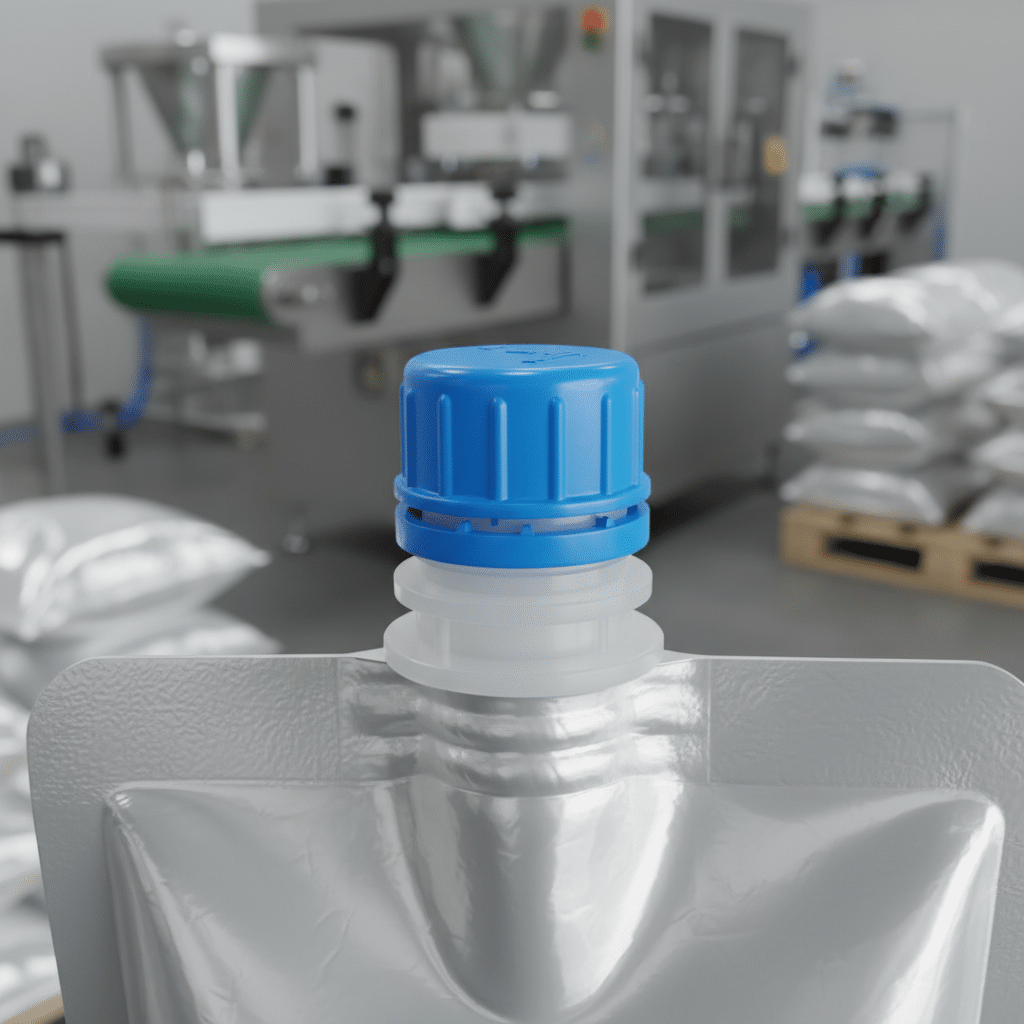
Determine if you need a tamper-evident cap (standard for retail) or a flip-top cap. Also, verify the inner diameter required for the viscosity of your liquid.
Frequently Asked Questions
Can spout pouches hold bleach-based detergents?
Yes, but the inner sealing layer must be specifically chosen to resist bleach (sodium hypochlorite). Standard PE may degrade. Always specify the pH and active ingredients of your product during the inquiry phase.
What is the lead time for custom printed detergent pouches?
Typical lead times for custom rotogravure printed pouches range from 3 to 5 weeks after artwork approval, covering cylinder making, printing, lamination, curing, and bag making.
Are these pouches recyclable?
Standard laminated pouches (e.g., PET/NY/PE) are durable but can be difficult to recycle in standard streams due to mixed materials. However, mono-material (PE/PE) structures are becoming available, though they may offer lower heat resistance and require specialized sealing equipment.
How do I prevent the pouch from collapsing while pouring?
This is managed through film thickness and stiffness. Adding a Nylon layer and ensuring sufficient micron thickness (e.g., 150+ microns for large bags) provides enough rigidity for the bag to hold its shape during use.
Conclusion
Switching to spout pouches offers liquid laundry detergent brands a competitive edge through cost savings, sustainability claims, and improved logistics. However, the chemical nature of the product demands a robust, engineered packaging solution.
At SpoutPouchOEM, we specialize in manufacturing high-barrier, chemically resistant flexible packaging tailored to industrial and household needs. Our team can guide you through material selection to ensure your product remains secure from the factory to the customer’s home.
Ready to optimize your detergent packaging? Request a quote or contact our engineering team today to discuss your specifications.