
The Shift from Rigid to Flexible: A Supply Chain Perspective
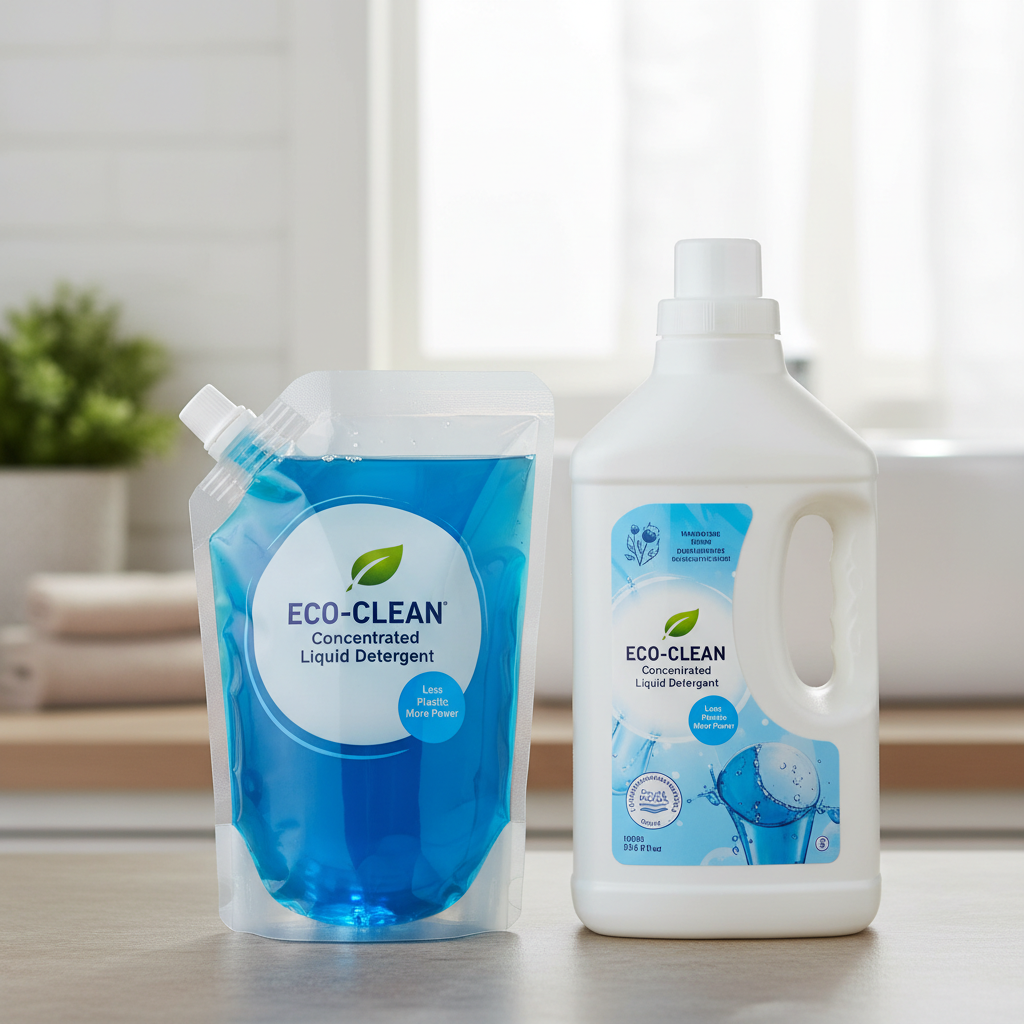
For decades, rigid glass and plastic bottles have dominated liquid packaging. However, for procurement managers and supply chain engineers, the hidden costs of rigid packaging—specifically regarding logistics, storage, and material waste—are becoming impossible to ignore. As brands seek to optimize margins and reduce their carbon footprint, the shift toward flexible spout pouches is accelerating.
This article analyzes the financial and operational trade-offs between traditional rigid bottles (HDPE, PET, Glass) and flexible spout pouches. We focus specifically on the metrics that matter to operations and procurement: shipping weight, warehouse density, and total landed cost.
1. Inbound Logistics: The "Shipping Air" Problem
The most immediate financial impact of switching to spout pouches is found in inbound logistics—getting the empty packaging from the manufacturer to your filling facility.
Rigid Bottles
Rigid bottles are voluminous. When you purchase empty bottles, you are essentially paying to ship air. A standard 53-foot truck can only hold a limited number of pallets of empty bottles because their shape is fixed. This results in high freight costs per unit and frequent deliveries to keep up with production schedules.
Spout Pouches
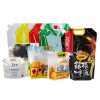
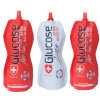
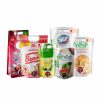
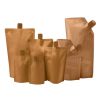
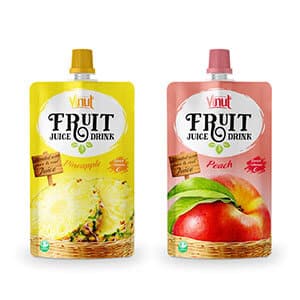
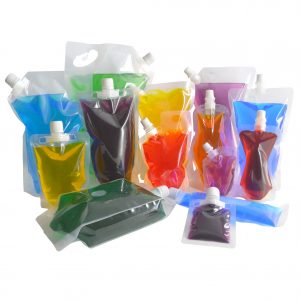
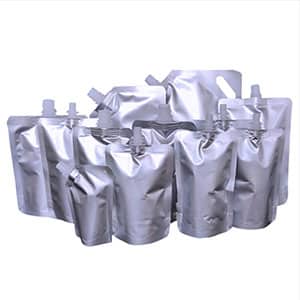
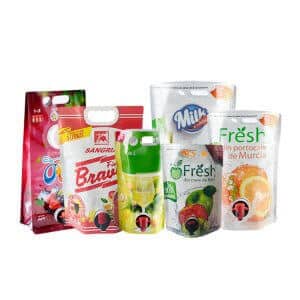
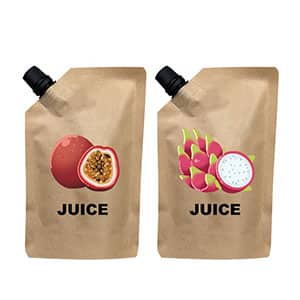
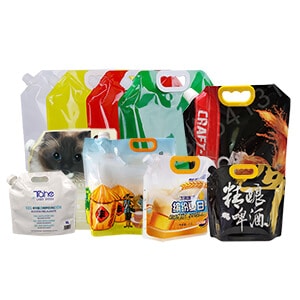
Spout pouches are shipped flat (pre-made) or on rolls (for form-fill-seal applications). Because they are flexible, they can be packed with high density.
- Volume Reduction: Industry data suggests that one truckload of flat spout pouches can hold roughly the same number of units as 15 to 25 truckloads of empty rigid bottles.
- Freight Savings: This drastic reduction in required transport volume directly correlates to lower fuel surcharges and reduced freight management overhead.
2. Warehouse Efficiency and Storage Costs
Once the packaging arrives at your facility, storage becomes the next cost center. Warehouse space is a premium asset, and maximizing cubic utilization is critical for efficient operations.
Storage Comparison:
- Rigid Packaging: Requires extensive floor space. Pallets of empty bottles cannot always be stacked high due to stability or crushing risks, leading to poor vertical utilization.
- Flexible Packaging: Cartons of flat pouches are dense, stackable, and stable. You can store hundreds of thousands of units in a fraction of the footprint required for bottles. This frees up warehouse space for finished goods or raw materials, potentially delaying the need for facility expansion.
3. Material Usage and Weight Reduction
Shipping finished goods to retailers or distributors involves paying for weight. The tare weight of the packaging contributes to the total shipping cost without adding value to the consumer.
Plastic Consumption
Spout pouches typically use 60% to 80% less plastic by weight than a comparable rigid plastic bottle. For example, a standard rigid HDPE bottle for laundry detergent might weigh 60g–80g, whereas a durable spout pouch of the same volume might weigh only 15g–20g.
Glass vs. Flexible
The difference is even more pronounced when comparing glass. Glass is heavy and fragile, requiring secondary packaging (partitions, heavy corrugated boxes) to prevent breakage. Spout pouches are lightweight and shatterproof, reducing the need for protective secondary packaging and lowering the gross weight of outbound shipments.
4. Sustainability and Carbon Footprint
For modern B2B buyers, sustainability is no longer just a marketing buzzword; it is a procurement requirement. Scope 3 emissions (supply chain emissions) are a major focus for global brands.
- Transport Emissions: Fewer trucks on the road for inbound logistics means significantly lower CO2 emissions.
- Material Lifecycle: Using less plastic resin per unit reduces the fossil fuel consumption associated with polymer production.
- Landfill Impact: While recyclability varies by region and material structure (mono-material vs. multi-layer), the sheer volume of waste is reduced. A flattened pouch takes up significantly less landfill space than an uncrushed plastic or glass bottle.
5. Technical Trade-offs: When to Choose Which?
While spout pouches offer clear logistical advantages, they are not the universal solution for every product. Engineers must evaluate the barrier properties and filling requirements.
| Feature | Rigid Bottle | Spout Pouch |
|---|---|---|
| Inbound Logistics | High volume (ships air) | High density (ships flat) |
| Filling Equipment | Standard rotary/inline fillers | Requires pouch filling/capping machine |
| Stackability (Retail) | Excellent vertical stacking | Good (if gusseted), but less rigid |
| Durability | High impact resistance | Flexible, burst-tested, shatterproof |
| Ideal Applications | Carbonated drinks, heavy industrial chemicals | Baby food, sauces, detergents, beverages, refills |
Buying Guide: Transitioning to Spout Pouches
If you are considering switching your product line from bottles to pouches, consider the following procurement factors:
Minimum Order Quantities (MOQ)
Custom printed spout pouches are typically produced using rotogravure or digital printing. Rotogravure offers the lowest unit cost but requires higher MOQs (often starting at 10,000–30,000 units depending on size) due to cylinder setup costs.
Material Structures
Unlike a single-layer HDPE bottle, pouches are laminates. Common structures include:
- PET/NY/PE: Standard for durability and barrier protection.
- PET/AL/PE: Includes aluminum foil for maximum barrier (UV, oxygen, moisture), ideal for sensitive products like baby food.
- Recyclable Mono-PE: A newer option for brands prioritizing recyclability, though barrier properties differ from multi-layer structures.
Lead Times
Plan for lead times that include artwork approval, cylinder manufacturing (if rotogravure), production, and shipping. While rigid bottles might be available from local stock, custom pouches are a manufactured-to-order item.
FAQ: Common Buyer Questions
Can spout pouches handle hot filling?
Yes. By selecting the correct material laminate (such as including a Nylon layer or Retort-grade films), spout pouches can be designed for hot fill and even retort (sterilization) processes. Always specify your filling temperature during the quoting process.
Do I need new machinery to switch from bottles to pouches?
Generally, yes. Rigid bottle fillers cannot handle flexible pouches. You will need a spout pouch filling and capping machine. However, many contract packagers (co-packers) already possess this equipment if you prefer not to invest in capital equipment immediately.
Are spout pouches prone to leaking?
Quality manufacturing minimizes this risk. We utilize rigorous burst testing and seal integrity checks during production. The spout sealing area is the most critical point, and advanced heat-sealing technology ensures a bond as strong as the film itself.
Conclusion
Switching from rigid bottles to spout pouches offers compelling financial and environmental benefits. By reducing inbound freight volume, minimizing storage requirements, and lowering the tare weight of your finished product, you can achieve a leaner, more cost-effective supply chain.
Ready to analyze the savings for your specific product?
Contact our engineering team today to discuss material specifications, request a sample kit, or get a custom quote tailored to your volume requirements.