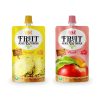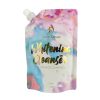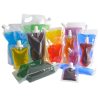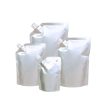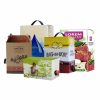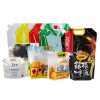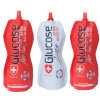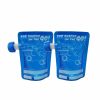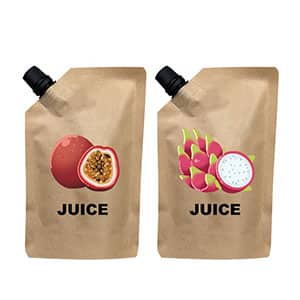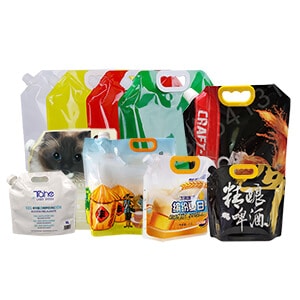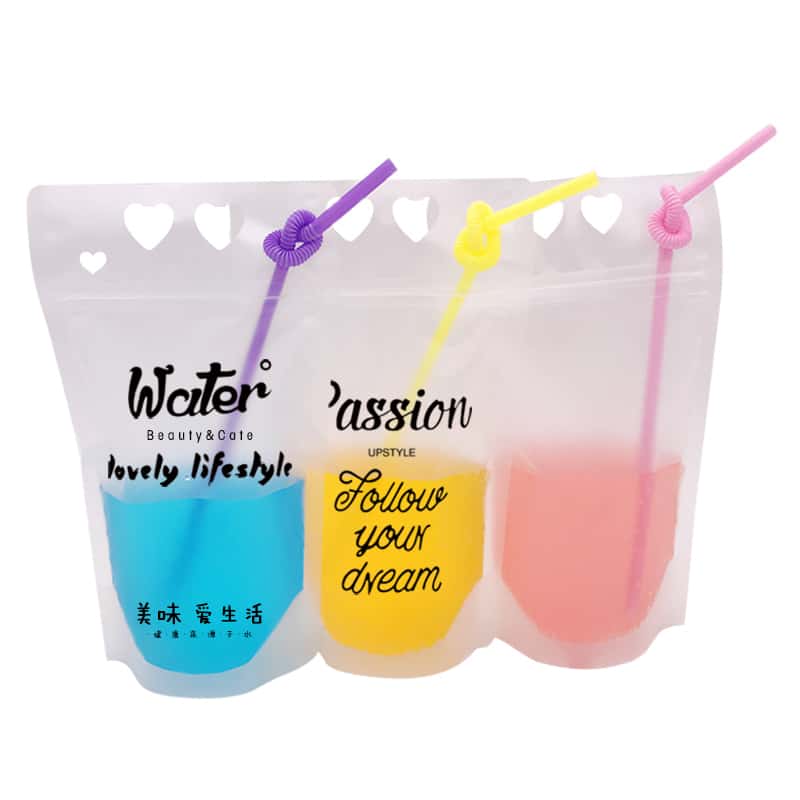

For decades, glass jars and rigid plastic bottles have been the standard for packaging sauces, dressings, and condiments. While glass offers excellent barrier properties and a premium feel, it comes with significant logistical downsides: it is heavy, fragile, and inefficient to transport. In recent years, the food and beverage industry has seen a decisive shift toward flexible packaging, specifically sauce spout pouches.
This transition is driven by more than just trend; it is a calculation based on total cost of ownership, supply chain efficiency, and consumer convenience. For B2B buyers, procurement managers, and brand owners, understanding the technical and economic advantages of spout pouches over rigid containers is essential for modernizing product lines.
The Economic Case: Logistics and Freight Efficiency
One of the most immediate impacts of switching to flexible spout pouches is the reduction in shipping and storage costs. Glass is inherently inefficient in the supply chain due to its weight and volume.
Weight Reduction
A standard glass jar can account for up to 40-50% of the total packaged product weight. In contrast, a flexible pouch typically represents less than 5% of the total weight. When shipping thousands of units, this difference drastically lowers fuel consumption and freight costs.
Volume and Storage
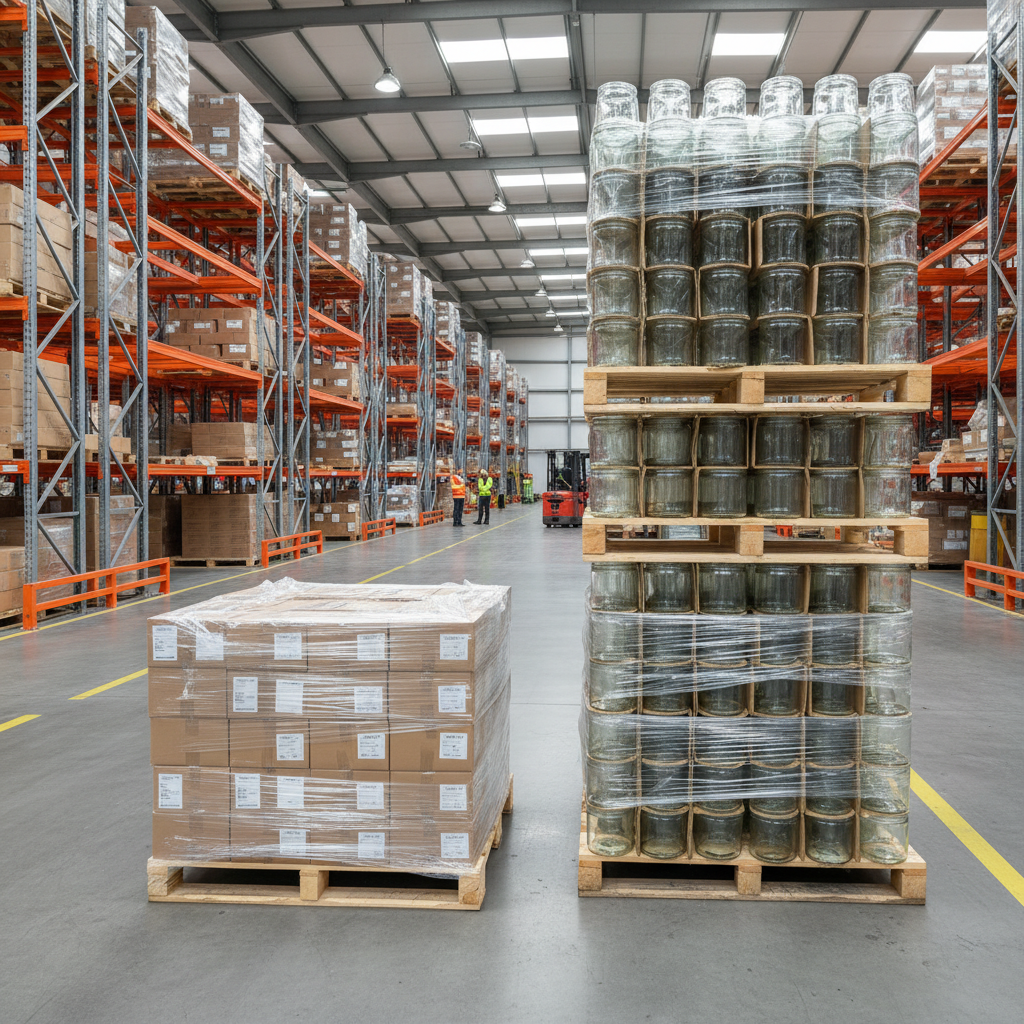
Before filling, rigid containers require immense warehousing space. Empty glass jars are shipped full of air.
- Space Efficiency: Flexible pouches are shipped flat. A single pallet of flat pouches can often hold the equivalent quantity of packaging as 20 to 25 pallets of empty glass jars.
- Warehouse Utilization: This drastic reduction allows manufacturers to store packaging materials for months of production in a fraction of the floor space required for rigid containers.
Eliminating Breakage
Glass fragility is a constant liability. Breakage can occur during filling, transit, or at the retail shelf, leading to product loss and safety hazards. Spout pouches are durable and flexible, virtually eliminating breakage rates during transport and handling. This reliability improves the overall yield and reduces insurance liabilities associated with broken glass.
Consumer Usability: Product Evacuation and Convenience
Beyond logistics, the shift to spout pouches addresses a longstanding consumer frustration: getting the product out of the container.
High Evacuation Rates
Viscous liquids like mayonnaise, ketchup, and barbecue sauce tend to stick to the walls of glass jars and rigid plastic bottles. Consumers often struggle to extract the last 10-15% of the product. Flexible sauce bags allow users to squeeze the package, achieving evacuation rates of up to 99%. This efficiency is a strong selling point for value-conscious consumers who want to use every drop they pay for.
Safety and Handling
For families with children or outdoor dining scenarios (such as picnics and BBQs), glass poses a safety risk. Spout pouches are shatterproof, lightweight, and often re-sealable, making them safer and more portable.
Technical Specifications: Materials and Barrier Properties
A common concern when moving away from glass is whether flexible plastic can protect the product as effectively. Modern material science has bridged this gap.
Multi-Layer Lamination
High-quality spout pouches are constructed using multi-layer laminated films. These structures are engineered to provide specific barrier properties:
- PET (Polyethylene Terephthalate): Provides structural strength and a high-quality surface for rotogravure printing.
- AL (Aluminum Foil) or NY (Nylon): Acts as a barrier against oxygen, light, and moisture, crucial for preserving shelf life and preventing oxidation in sauces.
- PE (Polyethylene) or CPP (Cast Polypropylene): The inner sealing layer, which must be food-grade and compatible with the specific acidity or oil content of the sauce.
Retort and Hot-Fill Capabilities
Many condiments require hot-filling or retort (sterilization) processes to ensure shelf stability. OEM spout pouch manufacturers offer specialized films capable of withstanding high temperatures (up to 121°C or 135°C for varying durations) without delaminating or leaching. It is critical to specify your filling temperature and pH levels when requesting a quote to ensure the correct material structure is selected.
Sustainability Metrics: Waste Reduction
While glass is infinitely recyclable, the energy required to transport and recycle it is substantial. Flexible packaging approaches sustainability from the perspective of source reduction.
- Carbon Footprint: Due to the lightweight nature of pouches, the CO2 emissions associated with transporting empty packaging are significantly lower than those for glass.
- Landfill Volume: Once used, a pouch occupies minimal space compared to a bulky jar or bottle.
- Recyclability Trends: While multi-layer laminates have historically been difficult to recycle, the industry is moving toward mono-material structures (e.g., all-PE pouches) that are easier to process in standard recycling streams.
Manufacturing Considerations for Brand Owners
Switching from rigid to flexible packaging requires an assessment of your filling equipment. While some rotary fillers can handle both bottles and pouches with change parts, many brands opt for dedicated pouch filling machines.
Spout Configurations
The spout design must match the viscosity of the product:
- Standard Screw Caps: Ideal for liquids and thin sauces.
- Flip-Top Caps: Preferred for frequently used condiments like ketchup.
- Wide-Mouth Spouts: Necessary for chunky salsas or relishes to prevent clogging.
Buying Guide: Sourcing Spout Pouches
When sourcing flexible packaging from an OEM, consider the following factors to ensure a smooth procurement process:
1. Minimum Order Quantity (MOQ)
Custom printed pouches typically have MOQs ranging from 10,000 to 50,000 units, depending on the size and number of colors. Digital printing options may lower this threshold for pilot runs.
2. Artwork and Printing
Rotogravure printing offers photo-quality finishes, essential for food branding. Ensure your design files are in vector format (AI or PDF) and that you have approved a digital or physical proof before mass production.
3. Lead Times
Unlike buying stock glass jars, custom pouches are made to order. Typical lead times include 1-2 weeks for cylinder engraving and 2-3 weeks for production and curing. Plan your inventory accordingly.
Frequently Asked Questions
Can spout pouches handle acidic tomato-based sauces?
Yes. By using a high-barrier layer (such as Aluminum or EVOH) and an acid-resistant inner sealing layer, pouches can safely store acidic products like marinara sauce or ketchup without degrading.
Are these pouches suitable for hot-fill processes?
Absolutely. You must specify “hot-fill” or “retort” grade when ordering. Standard pouches may deform under high heat, so the material structure must be engineered for thermal resistance.
How do I ensure the spout doesn’t leak?
Quality manufacturers conduct rigorous burst testing and seal integrity checks. The spout sealing process is critical; ensure your supplier uses high-precision heat sealing technology to bond the spout to the film.
Can I get a sample before placing a full order?
Yes, reputable OEMs provide samples. It is highly recommended to test samples on your filling line and conduct drop tests to verify durability before committing to a full production run.
Ready to Modernize Your Packaging?
The shift to flexible sauce spout pouches offers a competitive advantage through lower shipping costs, better shelf presence, and superior consumer convenience. Whether you are launching a new condiment line or repackaging an existing product, choosing the right OEM partner is the first step.
Contact us today to request a quote or get a sample pack of our food-grade spout pouches. Let us help you engineer the perfect flexible packaging solution for your brand.